


samedi, 29 août 2009
Brief Guillaume Fayes an seine Freunde (1987)

Brief Guillaume Fayes an seine Freunde (1987)
Liebe Freunde,
Als Kadermitglied und Funktionär des GRECEs seit 17 Jahre, habe ich seine Entfaltung, seinen Höhepunkt (1978-1982) und seinen Untergang (1982-1987) miterlebt.
Lange habe ich seinen Zerfall nicht akzeptiert und habe geglaubt, daß die Ursachen dieses Zerfalles konjunkturbezogen waren. Aber in Wirklichkeit sind diese Ursachen eher strukturell und, letzterhand positiv: der GRECE hat seine historische Aufgabe verwirklicht. Heute ist diese Aufgabe beendet. Die Arbeit der GRECE-Bewegung war wirklich grundsätzlich und kann heute befrüchtet werden. Es war eine konstruktive Arbeit, genauer die Rekonstruktion einer Ideologie und einer Weltanschauung. Die Bewegung hat auch Leute ausgebildet, die heute überall in der Zivilgesellschaft aktiv sind.
Deshalb, der dumme Wille, den GRECE “regenerieren” zu wollen, seine Botschaft steril zu wiederkauen und sie ständig so wiederholen, wie sie einst war, scheint mir heute völlig utopisch, unnötig und unmöglich zu sein. Ein solches nostalgisches Verhalten wäre nur eine Rückwärtsbewegung. Der GRECE war ein Erfolg. Es künstlich im Leben zu halten wollen, würde notwendigerweise zu einem Fiasko führen. Der GRECE hat seine metapolitische und kulturelle Aufgabe optimal beendet. Mit den Meilsteinen, die er gelegt hat, können wir uns orientieren, um sein Werk in anderer Form zu vertiefen und für die Zukunft zu gestalten. Eine solche Transformation ist nicht nur notwendig, weil unsere Zeit es fordert, aber auch um die gestrige Arbeit des GRECEs effizient zu machen. Wir müssen diesen geistig-intellektuellen Korpus mehr Potenz und so denkend, ihm organisationell eine andere Gestalt geben.
Hauptaufgabe ist es, die ideologische Erbschaft fruchtbar zu machen. Wir müssen jetzt, ab sofort, zurück zur Wirklichkeit und deshalb eine moderne und interventiongerichtete Strategie entwickeln. Das ist der Grund, warum wir denken, daß das Werk des GRECEs jetzt abgeschlossen ist. Darum, höre ich heute auf, Mitglied des GRECEs zu sein. Und ich hoffe, daß die meisten von euch die gleiche Analyse wie ich machen werden. Obwohl ich nicht mehr Mitglied des GRECEs bin, bleibe ich trotzdem ein treuer Mitkämpfer unseres Kampfgemeinschaft.
Zwei Neuorientierungen scheinen mir interessant: ab 1992 wird Europa anfangen, als eine reale politische Wirklichkeit zu existieren. Die Grenzen werden sich tatsächlich öffnen. Bald wird eine gemeinsame Währung kommen, usw. Wir müssen notwendigerweise diese Möglichkeiten benutzen, die uns unsere Feinde geben. Diese bauen praktisch einen europäischen Großraum für uns und geben uns so die Möglichkeit, eine gesamteuropäische Kampforganisation zu schaffen, die der Kern einer künftigen gesamteuropäischen Gemeinschaft für unsere eigene Weltanschauung sein wird.
Die Ideologie, die wir seit vielen Jahren innerhalb der GRECE-Denkfabrik ausgearbeitet haben, war von einer spezifischen Kernidee im Leben gehalten und diese Idee war die Befreiung des gesamteuropäischen Kontinents, damit an die Schaffung einer gesamteuropäischen Reichsgemeinschaft gearbeitet werden könnte. Aber eine solche Idee hat nie in der Geschichte Wirklichkeit gefunden.
Die Amerikaner leben in einer antiquierten Welt, weil der amerikanische Traum schon da ist, und deshalb, weil er da ist, ist er unwiederruflich alt. Der amerikanische Traum ist eine alte Sache, ist schon volle Wirklichkeit geworden. Aber unser Traum ist hypermodern, weil er noch nicht da ist, liegt vor uns in einer noch relativ fernen Zukunft. Deshalb ist unser Traum jugendhaft.
In diesem Sinn und mit einem Optimismus, die wir von dem Bewußtsein unserer in den GRECE-Jahren erarbeiteten Tradition und unserer langen Gedächtnis geerbt haben, kann unser Projekt entstehen und sich entfalten: wir werden eine flexible Organisation stiften, die nicht nur Frankreich-zentriert sein wird, aber sich überall in allen Ländern des Kontinents entwickeln wird, wir werden in allen möglichen Schichten und Dimensionen der Gesellschaft intervenieren, aber immer mit dem Vorhaben, eine Reichsvision für das künftige Europa zu schmieden.
Die zweite Neuorientierung ist die folgende: die Ideen, die der GRECE verbreitet hat, eben unter den völlig inadequaten Namen der “Neuen Rechten”, leben und verbreiten sich sehr weit über die engen Grenzen aller möglichen rechtskonservativen Denkschulen. Deshalb sollte die post-GRECE-istischen Nachfolger-Bewegung total modernistisch sein, alles, was die soziologische Rechte darstellt, überwinden, sich an allen neuen Impulsen aus der Gesellschaft öffnen, und hauptsächlich die nostalgisch-folkloristische Rechte eine definitive Absage erklären. Diese neue Bewegung wird als Beruf haben, alle Leute aus allen möglichen Horizonten zu gruppieren, wenn sie grundsätzlich unser Programm zustimmen. Zusammen müssen wir entschieden alle Formen der Abhängigkeit und der Unterwerfung, irgendeiner Rechten oder Linken gegenüber, zurückwerfen.
Ziel ist es, die Grundlagen einer Bewegung zu erarbeiten:
- 1. die sich in allen Ländern des Kontinents verbreiten wird;
- 2. die alle alten Schablone und Spaltungen überwindet;
- 3. die die Erbschaft unserer Arbeit in den GRECE-Jahren fruchtbar macht;
- 4. die als Ziel haben wird, konkret eine neue politische und aktive Elite zu schmieden, um positiv in der Zivilgesellschaft intervenieren zu können.
Eine solche Arbeit wird lang, schwer und mühsam sein. Sie ist aber lebenswichtig und soll sofort von jetzt ab angefangen werden. Es wäre auch notwendig und logisch, daß die meisten Mitglieder und Sympathisanten des GRECEs sich in dieser neuen Bewegung einen, weil diese die allein mögliche historische Kontinuität darstellen wird. Natürlich neue Menschen, die aus allen Horizonten zu uns kommen werden, werden sich mit uns in diesem Kampf verbrüdern. Um der realen Welt die Stirn bieten zu können, um in dieser realen Welt Aktion führen zu können, werden wir dringend diese neuen Menschen brauchen.
Auf der juridischen Ebene, ist der Kern dieser neuen Bewegung (die weder eine Partei noch ein Apparat ist!), die dazu bestimmt ist, neue Energie in unserer Bewegung einzufliessen, ist schon gestiftet worden. Er hat die juridische Gestalt einer Stiftung und heißt: EUROPA.
Diese neue Bewegung steht noch in seiner Vorbereitungsphase und wird nur real und konkret auf europäischer Ebene am Anfang des nächsten Uni-Jahres, also im September 1987 existieren. Geburtsstunde wird die Sommeruni 1987 sein, die wir im Region Nivernais Ende August halten werden (wir können über unseren üblichen Versammlungsort in der Provence dieses Jahres nicht verfügen). Während dieser Sommeruniversität werden wir die Grundlagen unserer künftigen Arbeit festlegen.
Es ist notwendig, daß viele von euch sich sofort einschreiben.
Jetzt zur Arbeit, liebe Freunde!
Mit meinen freundlichsten Grüßen,
Ihr, Guillaume Faye, Mai 1987.
00:10 Publié dans Nouvelle Droite | Lien permanent | Commentaires (0) | Tags : nouvelle droite, synergies européennes, métapolitique, guillaume faye, droite, conservatisme, france |  |
|  del.icio.us |
  |
|  Digg |
  Facebook
dimanche, 18 janvier 2009
Por la autodefensa étnica integral: Reflexiones sobre "La colonizacion de Europa" de Guillaume Faye
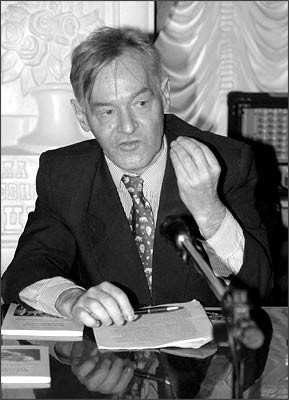
Por la autodefensa étnica integral: Reflexiones sobre "La colonización de Europa", de Guillaume Faye
Stefano Vaj
[Traducción de Santiago Rivas]
Conocí a Guillaume Faye en París en 1978, durante el undécimo congreso anual del GRECE (Groupement de Recherche et Etudes pour la Civilisation Européenne), en el momento álgido de una personal "crisis de identidad".
Aun siendo yo muy joven, llevaba cuatro o cinco años sumergido en un ambiente que creía hacer política prestando el empeño militante al sostenimiento del MSI, un partido sustancialmente empeñado en administrar los restos italianos de la derrota militar europea. Peor aún, la estrategia de aquella administración consistía en aguardar a la espera de ser finalmente reciclada, y en ofrecer sus servicios a las franjas más a la retaguardia de la "clase dirigente" vaticanista-capitalista-masónica –en una época un tanto preocupada por la atenuación de la guerra fría y por la garantía americana, así como por la concurrencia de los "compañeros de reparto" de observancia soviética.
Por lo demás, tal ambiente vivía en una absoluta esquizofrenia política, permaneciendo unido casi exclusivamente por el ansia de diferenciarse y por el rechazo respecto a la línea general biempensante, conservadora y ávida de respetabilidad, del partido; aquel mismo partido del cual continuaban frecuentando sus sedes, sosteniendo sus listas, suscribiendo sus manifiestos, etc. Los varios personajes que encontré no eran por lo demás ajenos a los miles de pequeños compromisarios, aunque llevasen cargos cuya denominación altisonante se correspondiese con una absoluta falta de poder real; además, pertenecían a connotaciones ideológicas tan variadas como carentes de correspondencia con mis propias ideas, o por mejor decir, a la sensibilidad que me había aproximado a un ambiente tal. Católicos integristas, anticomunistas genéricos, personajes convencidos de que la guerra mundial había sido combatida para hacer participar a cualquier representante sindical en las reuniones de los consejos de administración ("...como en Alemania Federal, como en Yugoslavia"), tradicionalistas y esoteristas al borde de la sesión espiritista, nihilistas, admiradores indiscriminados del militarismo chileno, israelita o francés, pseudoidealistas que nunca habían leído una línea de Spirito, Gentile o Fichte, vestales y adoradores de una crónica política pasada y mal comprendida; pero el empacho de la elección no era algo que me repugnase mayormente. Por muchos aspectos una corte de los milagros, en suma, cuyos miembros eran ciertamente "desviados" pero también en gran parte "recuperados" por el Sistema, presa de sugestiones ideológicas cuya gran variedad iba solamente a la par de la sustancial extrañeza de esos elementos con la "tendencia histórica" encarnada por las grandes revoluciones nacional-populares de la primera mitad del siglo, por Nietzsche, Wagner y Stefan George, Marinetti, D´Anunnzio y Drieu La Rochelle.
La imagen tan caricaturesca, demoníaca y en el fondo ridícula que de tal ambiente era ofrecida desde el exterior, con su intrigante perfume de azufre, era casi más atractiva que la mediocre realidad que yo experimentaba directamente cada día
El contacto con el ambiente francés, por entonces principalmente representado por el GRECE, "Groupement de Recherches et Etudes pour la Civilisation Européenne" (1), fue, por todo lo dicho, mucho más que una agradable sorpresa. No me había inventado una pertenencia literaria a una comunidad mítica irremediablemente extinta; aún existían personas que verdaderamente compartían aquellos valores que me habían atraído hacia un mundo italiano que teóricamente habría debido ser su heredero, pero que no usaba argumentos de acción histórica ni de "gran política".
Por lo demás, el movimiento francés, después de un decenio de duro trabajo, se encontraba visiblemente en la espera de un gran suceso, intentando agregar en torno suyo "compañeros de viaje" de notable renombre y, sobe todo, de suscitar un séquito, pequeño pero entusiasta, en numerosos países europeos, de Bélgica a Grecia, de Alemania a Inglaterra, de Suiza a la misma Italia. Un séquito que únicamente pedía ofrecer su propia contribución, creando comunidades locales o participando en el trabajo de difusión de ideas por medio de conferencias, publicaciones e infiltraciones en los medios de comunicación y de la universidad.
Pero alejemos las divagaciones. El congreso en cuestión trataba sobre "L´inégalité de l´homme", y venía a focalizar uno de aquellos temas que ya habían sido estabilizados como "leit-motivs" de la batalla cultural del movimiento, temática de identificación, de encuentro y alternativas de nuestra época, de antítesis frente a las ideologías de matriz judeo-cristiana, democrática, marxista, etc., y de visión del mundo antiigualitaria, aristocrática y sobrehumanista.
Entre los participantes se encontraban, naturalmente, Alain de Benoist el intelectual; Giorgio Locchi el filósofo –que habría de ser mi gurú y "maitre á penser" personal, si alguna vez tuve alguno, y cuya intervención en el congreso fue posteriormente publicada por "l´Uomo libero" n.6 con el título "Mito y Comunidad"–; y, sobre todo, Guillaume Faye el militante, el ponente que sin duda más me impactó.
Orador excepcional, hipnótico en su lectura de una relación escrita en la atenuada atmósfera de un convenio de estudios en un palacio de congresos, Guillaume Faye se asemejaba físicamente y en sus movimientos un poco al joven Feddersen interpelado por Gustav Froelich, el protagonista de "Metrópolis", de Fritz Lang; y era ya indiscutiblemente el astro en alza del movimiento. Especialmente para un dieciochioañero sediento de coherencia y pasión, pero también asaltado por la despreocupación, Faye daba la impresión de un "lúcido fanatismo" en donde de mezclaban reminiscencias del Che Guevara, D´Annunzio, Ignacio de Loyola y Goebbles, lejos, muy lejos de ese material humano sectario y arribista, conformista y reaccionario que dominaba en mi experiencia política de la Italia del momento. Las noches pasadas en discutir las cuestiones fundamentales de nuestra época y del futuro de Europa en la campiña provenzal de la Universidad de Verano del GRECE fueron, desde el principio, una bienvenida bocanada de oxígeno.
No sorprendía por ello que Faye fuese simplemente adorado por toda la base del movimiento, incluyendo los componentes internacionales, obviamente menos atraídos por otros exponentes condicionados por un residuo de "espíritu de salón parisino", o bien por una excesiva preocupación por la administración de las vicisitudes cotidianas y locales de la asociación. Y fue precisamente con Faye, Pierre Vial, Jason Hadgidinas y otros camaradas europeos de este ambiente con quienes nos reencontramos pocos años después en Grecia, en el santuario de Apolo en Delfos, al alba, para jurar en diez lenguas en una ceremonia privada nuestra fidelidad a Europa, a sus Dioses y al Sol (re)naciente de su cultura, tras el solsticio de invierno de nuestra época.
Ese rol especial de Guillaume Faye vino después a enfatizarse cuando, poco después, el movimiento, bautizado para la ocasión por los "media" como Nueva Derecha, tomó el control de la redacción de la revista "Figaro-Magazine", apareciendo en la primera página de los diarios de todo el mundo, ilusionándose por un instante de haber afirmado unas raíces inextirpables en la oficialidad. Excluyendo a unos pocos personajes dedicados a misiones meramente organizativas, Faye fue prácticamente el único que no jugó sus cartas en los medios tradicionales, en los círculos intelectuales acreditados y en la universidad, el único que permaneció empeñado únicamente en el movimiento, para el cual trabajaba a tiempo completo, en donde sus problemas de supervivencia eran de naturaleza puramente… económica. En semejante posición particular, Faye abrió algunos temas y frentes de lucha fundamentales que más tarde resonaron en toda Europa. En "El sistema contra los pueblos", traducido por mí mismo al italiano para "Edizioni dell´Uomo libero" y recientemente reeditado por "Societá Editrice Barbarossa" (2), constituyó el primer manifiesto contra la globalización publicado en nuestro continente, durante la época de los bloques y de las últimas etapas de la descolonización. La versión definitiva en la cual fue publicada el libro constituyó el fruto de una lucha épica, típica de Faye, contra los editores de "Copernic", por entonces la principal editorial del movimiento. Como es sabido, en el mundo francés y más aun en el anglosajón no son las editoriales (o publisher), sino los editores que jamás han publicado un renglón propio quienes pretenden enseñar a los escritores qué es escribir y cómo se escribe. En el caso, estas figuras no solamente discutían problemas de puntos y comas, de extensión de los capítulos o de "provocaciones" lo suficientemente atractivas para suscitar la atención de esos lectores que raramente superan las primeras páginas antes de regresar definitivamente sobre la cubierta, sino que también ejercieron una tentativa de atenuación y sustancial censura política de un mensaje considerado esta vez demasiado "paradójico", "visionario", "poco realista", "poco serio". El hecho de que el libro sea hoy una descripción fiel de cuanto positivamente ha sucedido y está sucediendo ante los ojos de todos, es el fruto y el testimonio del increíble entusiasmo y energía destinados a convencer, ilustrar, re-escribir la re-escritura de personajes más o menos ignotos, y al final… conseguirlo por cansancio.
Del mismo modo, Guillaume Faye fue quizá el primero en identificar en los Derechos Humanos la doctrina sincrética y final de la tendencia humanista, que el marxismo no ha sabido ser, y que representa el punto de convergencia final, post-ideológico, de todas las corrientes laicas y religiosas en las cuales tal tendencia se ha subdividido después de su afirmación en Europa con el edicto de Teodosio y la derrota de los sajones. El "especial" publicado al respecto por uno de los números de "Elèments" constituyó la inspiración para mi tesis de licenciatura, que después constituyó el núcleo de mi libro publicado con el título "Indagine sui Diritti dell´Uomo" (3) (L.Ed.E., Roma 1985), prologado por Julien Freund, y el cual dediqué al propio Faye. Otra piedra miliar en el recorrido de Faye es la representada por la publicación del "Nouveau Discours à la Nation Européenne" (4), incitación fichteana a la reivindicación de la propia identidad, al redescubrimiento de la fuerza de Europa y a la revuelta contra la dominación extranjera y mundialista de nuestro espacio vital; obra que el autor logró ver publicada por una editora "oficial" (Albatros), con introducción de Michel Jobert, exministro de De Gaulle.
Y aunque hoy pueda parecer banal, debemos a Faye la definitiva liquidación, en "L´Occident comme déclin" (5), de una confusión que hacía todavía a finales de los años setenta a los cantautores nacional-revolucionarios glorificar a la "civilización occidental", mientras algunos epígonos franceses de aquellos que habían combatido en Normandía contra los americanos aún denominaban "Occident" a uno de los pocos movimientos políticos con una cierta importancia. Igualmente, fue nuestro autor el primero en reproponer, en oposición tanto al progresismo ingenuo como al rechazo tradicionalista y neolúdico, la visión faústica de la técnica, relacionándola con la sensibilidad postmoderna que lucha por emerger en la cultura contemporánea ("Hermes, le retour du sacré". Ed. Le Labyrinthe). Siempre a Faye debemos, además, el clarividente análisis sociológico sobre "La Nueva Sociedad de Consumo", o el relanzamiento de modelos económicos alternativos basados en los grandes espacios continentales autocentrados y semiautárquicos (ver el artículo "Por la independencia económica", publicado en italiano por "l´Uomo libero" n. 13). Y podríamos continuar extendiéndonos, empezando por sus traducciones en esta misma revista que pueden consultarse en el sumario de números atrasados.
Por lo demás, frente a mi experiencia directa de la realidad italiana que se distinguía en asociar paradójicamente "fraccionismo" y conformismo, la acción de Faye en el ámbito de la Nueva Derecha conjugaba hasta el extremo disciplina y libertad de espíritu, por cuanto él mismo es uno de los pocos en recoger verdaderamente, junto a otras "piedras en el estaño", la invitación a intensificar el "debate interno" –concepto que ha preocupado durante un cierto periodo a los espontáneos del movimiento, obsesionados con la idea de devenir, o ser percibidos como, una "secta".
Entretanto, había llegado el tiempo de las intervenciones críticas sobre la cuestión religiosa y sobre la postura del GRECE en esta materia.
En efecto, la experiencia común mostraba que cuando en el neo-paganismo la partícula "neo" es gradualmente olvidada, fácilmente aparece la obsesión por la "positividad" y la "legitimación".
Después de todo, mientras es perfectamente posible ser el único, o el último, cristiano, musulmán o judío del mundo, la "religión", desde el punto de vista pagano, es aquello que "liga al conjunto" de un pueblo y a éste con sus orígenes. Pero, desde el momento en que el paganismo innegablemente no es una religión positiva, o bien se tiene el coraje trágico y zaratrustiano de intentar conscientemente la creación de formas originales y de nuevas "normas de valores", ciertamente inspiradas en el pasado que se reclama, pero precisamente por ello distintas, o bien es absolutamente central la búsqueda de una "legitimación" de cualquier tipo. Ésta, para los tradicionalistas evolianos o guenonianos termina regularmente por ser esotérica (los Sabios Ocultos, el Rey de la Montaña, la Tradición Oculta, etc.), cuando no termina por confluir en muchos casos en el Islam, en cualquier variante minoritaria del catolicismo católico u ortodoxo o, mucho peor aún, en los sincretismos vagamente masónicos o New Age.
Para el GRECE, sin embargo, como ya antes para el movimiento völkish de la Alemania de los años treinta, tal búsqueda de legitimación es, antes que metafísica, esencialmente sociológica, tendente a valorizar como "políticamente" importante cualquier fósil de creencia o hábito popular del cual se pueda hipotetizar un origen autóctono, precristiano o simplemente a-cristiano, desde la "fiesta del conejo" a las "estatuas de la felicidad" y otros folklores.
Respecto a todo ello, fue nuevamente Faye el reivindicador, mediante un famoso artículo en "Elements", de las razones de un paganismo laico, solar y postmoderno, abiertamente nietzscheano, distiguiéndose netamente de la obsesión de la "ninfa en su capullo" y de las manías de un "catolicismo a la inversa" de muchos conspicuos componentes de la Nueva Derecha, condicionada así por la rivalidad con las confesiones cristianas que a veces terminaban por remendar.
Artículo profético respecto a la más tardía "evolución" de un De Benoist, el cual, comenzando desde un interés hacia el empirocriticismo y la epistemología russelliana o popperiana, acabó paradójicamente, después de su libro "¿Cómo ser pagano?" (6) y tras un paréntesis heideggeriano, discutiendo con cristianos y judíos sobre metafísica y valores comunes de matriz sustancialmente neoplatónica o neognóstica, sobre cuya base poder atribuir la palma de la superioridad moral a Séneca o a Pablo de Tarso como oponentes de la secularización (ver, por ejemplo, su obra sobre "L´éclipse du sacré" ) (7). Si alguien desea ver los detalles del fin de un sueño no tiene más que leer las páginas de la nueva y extensa introducción de Robert Steuckers a "El sistema contra los pueblos", añadida a la mía en la última edición ya citada del libro de Faye.
A finales de 1986 la crisis anunciada por Giorgio Locchi ("todo lo que está de moda pasa de moda…") llegó a su maduración. Los animadores originales del GRECE, cuando no han sido simplemente recuperados por el Sistema, se encuentran reducidos por un lado a una dimensión de puro testimonio y, por el otro, son cada vez más marginalizados por la realidad de la vida cotidiana de la asociación, dedicada a burocráticos empeños de recolección de fondos para pagar al personal dedicado a recoger fondos… en una degeneración estilo Cienciología. Otros han decidido jugar la carta del Frente Nacional de Le Pen, en su tiempo duramente ridiculizado y ahora en posición de ridiculizar a su vez a la Nueva Derecha, que ya no es percibida como un sujeto dotado de un proyecto histórico o político y aparece reducida a un simple productor de conferencias y publicaciones con ambiciones limitadas.
Los temas de las publicaciones del área (en sustancia "Elèments", "Nouvelle Ecole" y su réplica de infeliz título "Krisis") cada vez son más refinados y literarios. El mismo Alain de Benoist, en una especie de regresión romántica, confiesa a Faye, a mitad de los años ochenta, estar cada vez más interesado en las "imágenes" antes que en las "ideas", hasta el punto de que éste último, en una conversación privada conmigo mismo durante el mismo periodo, describe la contraposición entonces presente en el ambiente como la de los "germanómanos no sobrehumanistas frente a los sobrehumanistas no germanómanos". Entre las consecuencias de tal deriva cabe destacar la extremización de las operaciones consistentes en el reclamo y valorización de los más estrafalarios componentes y sectores de la Revolución Conservadora alemana, por cuanto puedan alabar cualquier disidencia frente a los regímenes fascistas de los años treinta. Es más, era progresiva la concentración sobre temas de carácter sustancialmente histórico, literario y mítico, a despecho de las grandes argumentaciones de naturaleza sociológica, tecnocientífica, política, económica, sobre las cuales, en los años precedentes, el movimiento había tomado posiciones fuertemente originales e innovadoras.
Frente a la creciente presión de la censura y del "pensamiento único", el movimiento responde, por lo demás, con un creciente silencio sobre temas decisivos, paradójicamente acompañado de una constante irrigación de los temas secundarios y por "fugas hacia delante" difícilmente comprensibles para el público propio, como el guiño de ojos a un filosovietismo a lo Jean Cau, del todo onírico y prontamente liquidado por la evolución histórica. También por la incapacidad de no hacerse un hueco en las antítesis del debate político (nacionalismo-cosmopolitismo, liberalismo-socialismo, aborto sí aborto no, ecologismo-antiecologismo, feminismo-antifeminismo, imperialismo-anticolonialismo, comunismo-anticomunismo, etc.), por pretender imponer los propios, pero que se transformará o bien en una incapacidad de tomar posiciones sobre los problemas centrales de nuestro tiempo o bien en un gusto por la batuta brillante y por los eslóganes con fin en sí mismos.
Toparon después con el peine los nudos de los errores políticos y propagandísticos cometidos. El primero de todos: la obsesión con evitar ser presos de cualquier suerte de "internacional negra", y la falta de compresión del potencial de una dimensión verdaderamente internacional, más fácilmente accesible; por ejemplo en términos de capacidad de superar las crisis locales contingentes, de disminución de la vulnerabilidad a la represión y al "black-out" mediático, de movilización mítica de los militantes. Secundariamente, pesó muy negativamente el progresivo vacío de la función central del GRECE (presa del micro-leninismo de los funcionarios antes descritos, siempre más asfixiantes en su tentativa de sobrevivir a sí mismos en su improductividad metapolítica) a favor de una supuesta "corriente" y "comunidad", de cuyos confines e identidad, por cuanto indefinidos, se hipotetizaba que eran los mejores para mantener la riqueza, variedad u organicidad típicas de los grandes movimientos culturales, y sobre todo para evitar los golpes de la reacción, penetrar en los ganglios del poder cultural y evitar la temida "transformación en secta". En fin, al final terminó insostenible para muchos la ambigüedad respecto a los temas de la política real, cuyos contenidos eran justamente rechazados como inesenciales, pero que terminaron condicionando negativamente al movimiento como una suerte de "angelicalismo" y de "neutralidad" en toda materia, dada las posiciones públicas de Alain de Benoist, quien había rechazado en los años setenta, patrocinado por Maurizio Cabona, asumir la titularidad de una firma en el "Candido" de Giorgio Pisano, revista no precisamente arcádica.
Esta involución no pudo remediarla por si solo Guillaume Faye, con una incesante animación de iniciativas siempre más personales y "paralelas" –desde las transmisiones radiofónicas de temática postmoderna "Avant-Guerre", hasta la creación de siglas y actividades –como "l'Institut des Arts et des Lettres" (Instituto de las Artes y las Letras) o el "Collectif de Réflexion sur le Monde Contemporain" (Colectivo de Reflexión sobre el Mundo Contemporáneo)–, llevadas adelante sin un sueldo, un apoyo o un patrocinador, y contempladas con indiferencia, suficiencia y creciente hostilidad desde los vértices del movimiento, aparentemente cada vez más interesado, cuando no se ocupaba por la contabilidad, por las mistificaciones del arte moderno, la poética sobre los elfos en la Sajonia del siglo XV o los "decisivos" debates con Thomas Molnar sobre la cuestión de si lo divino se expresa "en" el mundo o "a través de" el mundo.
El abandono final de Faye devino así –junto con la muerte de Locchi, por lo demás ya aislado del movimiento muchos años antes, en el aparente ocaso de la Nueva Derecha– el símbolo de la conclusión de un ciclo, y el inicio de un periodo de relativa desmovilización en toda Europa, que vió a algunos refugiarse en la política tradicional, a otros en el ámbito de lo privado, y a muchos en confortables "capillas" locales con contactos externos cada vez más reducidos. Sin animar las escisiones, sin intentar apuntalar un flanco ni señalar una dirección, sin mucho menos "convertirse" a lo Marco Tarchi, Guillaume Faye se retira durante un decenio a la sombra, mientras el GRECE, naturalmente sin pagar derechos de autor, continúa utilizando sus escritos, no sin tolerar ciertos rumores según los cuales Faye estaba loco, tenía el cerebro embrutecido por la droga o había sido reclutado por la CIA.
En este escenario, su re-emersión, a finales de los "malditos" años noventa que vieron el derrumbe de tantas esperanzas y el triunfo del Sistema mundialista inútilmente denunciado y combatido con increíble clarividencia, no pudo sino representar para mí un presagio de buen augurio, y un estímulo para una re-movilización de cada uno, con el acostumbrado "pesimismo de la razón, optimismo de la voluntad", que no es sino la lógica del que no puede hacer otra cosa y no puede sino encontrar una dimensión existencialmente atractiva en la sola propia vida cotidiana, profesional y familiar.
Que los diez años no habían pasado en vano está bien ilustrado por la aparición del ensayo sobre "El Arqueofuturismo" (París 1998, L'Aencre, 12 rue de la Sourdière) (8), que en trescientas páginas diseña un balance comprensivo de treinta años de debate político y cultural europeo, de la sociología de la concertación a la política y el significado cultural del deporte, del cine y la música a la genética y la homosexualidad, de la inmigración y la globalización a los modelos económicos, la religión y la ecología, para concluir con una "novela" arqueofuturista que constituye una sugestiva continuación al prólogo de "El Sistema contra los pueblos": si entonces se trataba de una figuración, durante una época considerada "paradójica", de cómo el mundo estaba en efecto a las puertas de su transformación con la victoria mundialista, ahora se trataba de la descripción de un mundo inversamente transformado en un escenario "arqueofuturista", en donde también tenía su pequeño puesto un… descendiente directo mío en la Milán del año 2073.
Como siempre, la mirada penetrante de Faye diseña nuevas pistas ya antes batidas, une lo impensable, despedaza los ídolos y los tópicos del pensamiento hegemónico, combate el conformismo… del pensamiento anticonformista, ayudando a cada uno de nosotros a pensar hasta el fondo todo aquello que ya piensa. La ruptura con la Nueva Derecha, de cuyas experiencias diseña un balance equilibrado y al margen de toda lógica de resentimiento personal que pudiera tener miles de justificaciones, hace ahora más libre el análisis tanto de las tendencias dominantes (respecto a las cuales destacan las cautelas del "political correctness" presentes en tantos escritos del movimiento) como de las carencias del mundo que ha buscado defenderse y afirmarse en oposición a ellas, desde el redescubrimiento de las identidades regionales a la defensa del cine nacional desde una oposición política militante.
"El Arqueofuturismo" fue continuado, por la misma editorial, por una reedición corregida y aumentada" del ya citado "Nouveau discours à la Nation Européenne", seguido a su vez por "La colonisation de l´Europa – Discours vrai sur la Colonisation et l´Islam" (9), que representa uno de los más interesantes estudios publicados en materia de política demográfica, inmigración y colonización de nuestro continente.
Decimos "estudio" para subrayar el grado de profundización, pero también insólito en cuanto al argumento y el trato. Aunque no será ciertamente una sorpresa para los lectores que conozcan al autor, es necesario precisar que las intenciones del libro no son precisamente "inocentes".
"Son muchos los que intentaron disuadirme de escribir este libro. Me avisaban con argumentos del tipo: No es necesario decir las cosas como son. Es peligroso, ¿Entiendes? Hubieras podido escribir un ensayo ilegible y pseudofilosófico, o vagamente sociológico, sobre las virtudes comparadas de la asimilación, la integración y el comunitarismo. Pero el intelectualismo burgués no me interesa (…) La apuesta de la disidencia es hoy la más fecunda. Ésta es la del pensamiento radical… Se trata de retornar –lejos de todo extremismo– a las raíces de las cosas, y atacar las cuestiones fundamentales de la época. No se debate del sexo de los ángeles cuando los bárbaros asedian Constantinopla. Ahora bien, la cuestión principal de la época es la más visible y a un tiempo la más clandestina, aquella de la que todos hablan pero que no es abordada sino con medias palabras y en voz baja, es decir la colonización demográfica que sufre Europa por parte de los pueblos magrebíes, africanos y asiáticos y se acompaña con una empresa de conquista del suelo europeo por parte del Islam. No es una curiosidad política, es un advenimiento histórico clamoroso, sin precedente alguno en la historia europea por mucho que queramos alargar la memoria. Se trata ante todo de tomar acto, de desvelar a las conciencias este hecho capital. No para admitirlo ni para mejor "convivir", sino para rechazarlo y abrir el debate sobre la manera de combatirlo e invertir su marcha (…) Es urgente. La casa está en llamas. No se trata de hacer folklore, ni de insultar, ni de profundizar en delirios odiosos, ni de un racismo de portería. Se trata de afirmar. De afirmarse con rigor y con determinación y defender el derecho imprescindible de los europeos a continuar siendo ellos mismos, un derecho que se les niega mientras le es reconocido a todos los otros pueblos del mundo… El tiempo de las prudencias metapolíticas ha terminado". Y el autor concluye: "En este libro preconizo la guerra civil étnica y apelo a la Reconquista".
Podemos continuar. El libro contiene gran cantidad de datos, anécdotas, análisis, refutaciones, puntos que desenmascaran la censura de desinformación del Sistema sobre el tema, que denuncian la gravedad calamitosa de las consecuencias socio-politicas y socio-económicas que se anuncian, poniendo en vereda las ilusiones de controlar el fenómeno y las "ilusiones" prefabricadas sobre las cuales debate la "política politicante".
Contiene también numerosas provocaciones, fecundas y desalentadoras también respecto a ideas o temas dados por descontado entre los opositores al mundialismo. Leemos, por ejemplo, respecto a los pueblos del Tercer Mundo: "No somos nosotros quienes han "destruido sus culturas", como pretenden los defensores –en el fondo rousseanianos y adeptos del mito del buen salvaje– del etnopluralismo, ya sean de derecha o de izquierda. ¿Después del paso de los europeos, las culturas árabe, índia, china, africana, etc., se han cancelado y desaparecido? Para nada. En realidad han quedado mucho más vivas y mucho menos occidentalizadas y americanizadas que las pobres culturas europeas". O aun más: "En general, el pauperismo de muchos países del sur del mundo no es la consecuencia del colonialismo o del neocolonialismo, sino de la incapacidad de hacerse cargo de sí mismos, aun cuando posean inmensos recursos naturales. También yo he pensado que el colonialismo europeo era cínicamente responsable, por gusto del beneficio, del pauperismo del Tercer Mundo. Es una visión intelectual que abandoné hace tiempo".
Otra tendencia de un cierto fenomeno en Italia, de la cual el libro hace sumariamente justicia, es aquella que Faye había liquidado junto a la Nueva Derecha de los inicios de los años ochenta, pero que ahora resurgía a caballo de su involución neotradicionalista. Hablamos de la tendencia a afirmar la existencia de una Tradición fundamentalmente unitaria, metacultural y metarracial por cuanto metafísica, de la cual Europa habría participado en el pasado, "paritariamente" (según el Evola de postguerra), o "parasitándola" del Oriente (como dice Guénon), y cuyos vestigios sobrevivieron eventualmente en otro lugar. Es obvio que el "antimodernismo" de tales corrientes no es en absoluto suficiente para fundar teóricamente una praxis política y metapolítica de oposición a la globalización. En conjunto, no representan sino una variante "invertida" del progresismo linealista, universalista y homologador del Sistema, en la común indiferencia a las tradiciones concretas y plurales y a la conservación y desarrollo de las identidades irreductibles de las cuales está compuesta la especie humana, indiferencia fundada sobre una supuesta "unidad trascendente de todas las religiones", así como de todas las razas y culturas (que representarían, a lo sumo, grados diversos en una jerarquía de valores comunes, o de decadencia irresistible).
Aún más. Faye es muy claro en reivindicar los límites de la tolerancia "politeísta" al Otro-en-sí, límites por lo demás bien presentes también en la reacción de la romanidad más conservadora y menos decadente, de Nerón a Celso y Juliano, contra la intolerancia y el sectarismo de importación medio-oriental que habia llegado para pervertir la identidad etno-cultural del Imperio. Sobre un plano más político, otro tema subyacente a todo el texto contenido en "La colonización de Europa" es la implícita visión identitaria que hace forzosamente diferentes las naturalezas de los movimientos migratorios internos, intraeuropeos, y la colonización por parte de las poblaciones foráneas.
Es este un aspecto que merece ser resaltado en nuestro país (Italia), donde los obispos predican la inmigración de asistentas y trabajadores filipinos, "bravos católicos", y donde todo transexual mulato brasileño encuentra trabajo rápidamente en las calles tras desembarcar con un visado de turista en cualquier aeropuerto nacional, mientras las raras "exhibiciones de fuerza" del régimen son reservadas a croatas, albaneses, búlgaros, yugoslavos, rechazados de cuando en cuando al mar con sus mujeres e hijos, concentrados a la Pinochet en los estadios por orden del ministro del interior, ¡mientras su gobierno discute la admisión en la Unión Europea de Israel y Turquía!
Los mismos procesos lingüísticos en uso tampoco son inocentes. La imposición por parte de los "media" y del lenguaje burocrático del término "extracomunitario" (término nunca aplicado a los suizos o americanos, y que en sustancia significa "de color") es absolutamente elocuente de la tentativa de acreditar una pretensión común de pertenencia económico-comunitaria y promover una "solidaridad" implícita, pongamos por caso, con un jamaicano de ciudadanía británica o con un nacional de religión judaica, en contraposición a la pretendida "extrañeidad" nacional de un húngaro o de un croata. También esto sirve para negar y dividir la identidad europea, facilitando su fagotización. Por lo demás, el libro de Faye es sobre todo una invitación a la reflexión, a la toma de posiciones y al debate. "Las tesis que sostengo no son dogmas. Llevar el debate hasta las cosas esenciales, electrizar las consciencias, éste es mi único objetivo. Soy un provocador. Informaos sobre la etimología latina de este término".
Por ello recojo la invitación del autor continuando un diálogo personal y a distancia que dura ya, al menos, veinte años, tomando posiciones sobre algunas de las cuestiones por él levantadas.
Un punto sobre el cual Faye, yo, y lo que resta de la Nueva Derecha estamos absolutamente de acuerdo es en la crítica y el rechazo del asimilacionismo, o del denominado "racismo integracionista". La procedencia francesa de la más fuerte denuncia de esta tendencia, sea en sus formas explícitas y conscientes como en sus formas latentes, es más que significativa. Francia es, en efecto (aunque en medida menor que los Estados Unidos) la patria de elección de la ideología integracionista más dura. Ideología abstracta, irrealista, que prolonga el monoteísmo político del jacobinismo y encuentra su mismo origen en la Francia de los Cuarenta Reyes, de la Revolución y del rechazo al modelo imperial, a favor tanto de la negación tanto de las realidades políticas, étnicas y culturales supraordenadas, como de las mismas nacionalidades diversas alojadas en el "Hexágono" francés, reprimidas y canceladas durante ochocientos años con una dureza y sobre todo con una tenacidad que ha tenido pocos iguales en Europa.
Tal tendencia se refleja inmutable en la política y la cultura colonial francesa, aunque otros colonialismos no han sido inmunes. Pero el italiano o el alemán, por ejemplo, estaban poseídos por la idea de expansión imperial, y el anglosajón era en el fondo la expresión de un instrumento mercantilista de una clase de aventureros que marchaban de sus comunidades locales para recrear caricaturas periféricas e impermeables de la sociedad inglesa en la jungla de Borneo o en la sabana africana. Francia, sin embargo, devino el escenario de los prefectos, de los burócratas y de los gendarmes encargados de la administración de los territorios y dominios de ultramar según el modelo centralista del Estado-nación, con su séquito de instructores que enseñaban a los pequeños senegaleses a repetir en coro: "Nuestros antepasados, los galos, eran altos y rubios" ("Ils étaient grands, ils étaient blonds, nos ancétres, les Gaulois"), y a apreciar las virtudes republicanas.
Esta tendencia, más difusa en su versión "humanitaria", "misionera" y "redentora", habita todavía profundamente, en su versión "dura", también en el espíritu de cierta derecha francesa, especialmente gaullista (por ejemplo, Charles Pascua o Alain Griotteray), gracias a una claramosa afirmación del principio sacrosanto según el cual un pueblo no es (sólo) una raza, sino sobre todo un proyecto común al que cualquiera -- independientemente de su origen étnico -- puede unirse. El "asimilacionismo forzado" no es tampoco extraño a ciertos ambientes italianos que se declaran de algún modo antiimigracionistas o, como mínimo, favorables a un control de la inmigración, particularmente a algunos componentes del ambiente legista.
La variante práctica y menos intelectualmente pulida de esta inclinación corresponde, por lo demás, a las versiones pequeño-burguesas y "de derechas" de la nostalgia de "un" proletariado, sea cual sea, del cual se siente evidentemente su ausencia. ¿Cuántas veces hemos oído decir: "El huésped debe respetar las reglas de la casa", o "No tengo nada contra los inmigrantes, siempre que respeten las leyes / hablen nuestra lengua / hagan un trabajo honesto / se comporten como los demás / no sean molestos / hagan la comunión todos los domingos / se vistan como nosotros / se comporten como "personas civilizadas", con segundas intenciones más o menos alucinatorias sobre la posibilidad, mejor dicho el derecho, de convertir al inmigrante extra-europeo en alguien "como nosotros", pero deseablemente más gentil y amable, dispuesto a trabajar en el mercado negro, a bajo coste y a tiempo indefinido, a prestarse para realizar "los trabajos que los europeos ya no quieren hacer"?
Al contrario, la realidad nos dice que el asimilacionismo solo puede funcionar al límite únicamente con minorías demográficamente insignificantes y étnicamente próximas. Pero en el resto de los casos no es sino una vía acelerada hacia el mestizaje cultural, también para los "asimiladores", y a la perdida brutal de la identidad de los inmigrados, de sus pertenencias y reglas comunitarias y, necesariamente, hacia una militarización creciente de la sociedad, ya que la integración forzada, cuando no es causa de una definitiva destrucción de la identidad de los ingredientes (de los alógenos y de los autóctonos), solamente puede ser mantenida por medio de una presión constante, sustancialmente policíaca.
Partiendo de los grupos espontáneos que se forman según el orígen en las aulas escolares hasta la composición del panorama urbano, los grupos etnoculturales tienden sin embargo a separarse como los componentes de una emulsión de agua y aceite, hasta el punto en que, cuando los "blancos" devienen ya irrelevantes, explota la rivalidad étnica, ahora con mayor intensidad, entre los etíopes y los egipcios, los nigerianos y los senegaleses, los cubanos y los puertorriqueños. Un famoso cómic de Lauzier muestra una mujer blanca de la periferia parisina, siendo entrevistada por un periodista de "Le Monde" sobre el racismo: "Ah, sí. Tenemos un grave problema en nuestro barrio con la intolerancia entre los bantúes y los mandingos… ¿Cómo dice? ¿Con los franceses?. No. Nadie nos hace caso, somos tan pocos…"
La misma particular crueldad de la guerra de Argelia refleja, por lo demás, la intolerancia y la incomprensión jacobina de los motivos por los cuales algunos "franceses" de ultramar pudieron, llegados a un cierto punto, tener ciertos motivos para rebelarse y traicionar a la "patria", puesto que la piel, la religión, usos, lengua y geografía no eran sino accidentes privados de peso en la visión idealista, abstracta y burocrática de la patria del gobierno francés de la epoca.
Un equivalente contemporáneo de la ideología colonialista de modelo "francés" es la idea, ya no inaudita en Italia, ya no sólo en los ambientes legistas, sino ahora también presente entre el electorado de "Alleanza Nazionale" (10) y de los partidos católicos del Polo, de acoplar un eventual y veleidoso "control" o "limitación" de la inmigración con la nacionalización forzada de los inmigrantes y de las poblaciones étnicamente extrañas que han adquirido ya la ciudadanía, a base de peticiones populares contra la edificación de mezquitas, del monolingüismo obligatorio o de la prohibición del uso del chador (hasta el punto de poner en cuestión la tolerancia de siempre hacia las monjas católicas). Actitudes que reproducen exactamente tanto la represión centralista tradicional contra las minorías autóctonas –especialmente en Francia (como bien saben corsos, vascos, bretones, normandos, occitanos…), pero también en nuestro propio país (caso del Tirol Sur)– como el tipo de ideología "colonialista" antes descrita, que en este caso sería aplicada a una especie de "re-colonización" puramente ideológica, prescindiendo del elemento etnodemográfico… del propio territorio nacional, y/o de la "mano de obra" cuya importación ha sido ya diseñada.
Así, al contrario que en la perspectiva "imperial" diferencialista, italo-alemana", en la perspectiva del "racismo asimilacionista" francés, la hibridación y el mestizaje no son solamente irrelevantes, sino incluso fenómenos positivos en cuanto conducen, en tal visión, a la "absorción" y a la "conversión", ayer del "colonizado", hoy del inmigrante, hasta transformarles en "ciudadanos" de la "república". Ahora bien, es fácil notar que tal punto de vista no es sino la versión "nacional", "politizada" y autoritaria de la globalización y homogeneización planetaria impuestas por el Sistema, tal y como la revolución francesa y Rousseau fueron las versiones locales de la revolución americana y de Locke, respectivamente.
Esta actitud es ciertamente "racista", en cuanto toma en cuenta la identidad cultural y étnica del Otro para abolirla e integrarla en un modelo propio, pero no tiene nada que ver con el pensamiento identitario europeo (ni africano, japonés, etc.). La demostración de la absoluta confusión mental que reina al respecto es la dada por las definiciones en términos de "limpieza étnica", con referencias más o menos explícitas al nacionalsocialismo (!) de la supuesta política de violaciones en masa desarrollada en Yugoslavia, cuyo resultado en términos procreativos, obviamente, no podía sino ser diametralmente opuesto a cualquier objetivo de defensa o "purificación" de la identidad étnica de los violadores. Aquí, ahora, nos encontramos entre grupos que, entre fuertes rivalidades históricas, y por ello entre una inevitable acentuación polémica de las diferencias existentes, viviendo en la misma región durante siglos, y presentando durante siglos un fuerte cruce de componentes políticas, lingüísticas, genéticas, religiosas, etcétera, que no tiene nada que ver con la hipotética convivencia, viviendo en los mismos barrios y en los mismos edificios comunales, con poblaciones provenientes de todos los posibles extremos del espectro ofrecido por la especie humana y por la geografía.
Así, el asimilacionismo "de derechas" aún piensa en celebrar sus propios complejos de superioridad en el intento de forzar a los inmigrantes (que creen poder importar "por encargo", según las necesidades coyunturales del momento) a convertirse en… caricaturas de los europeos, con la idea de tener una propia reserva de esclavos a su pronta disposición; exactamente como el asimilacionismo católico-comunista (11), en el fondo, contempla con buenos ojos la inmigración en su idea de convertir a los extraeuropeos a la democracia, al humanitarismo y a las religiones locales, con la idea de tener a su disposición una buena masa de desarrapados que puedan cambiar la vacilante fortuna de sus estructuras militantes.
Es casi inútil revelar cómo, en el mejor de los términos, los resultados son contrarios a los esperados por los mismos aprendices de brujo, puesto que el intento de asimilación forzada de importantes flujos migratorios fuertemente heterogéneos genera en realidad, aun más que la política "multicomunitarista" de la sociedad a manchas de leopardo sobre la cual hablaremos, costes sociales (y también, al final, costes económicos) espantosos, odios y enfrentamientos raciales, así como sociedades depauperadas, policíacas, asustadizas, híbridas, perdidas, confusas, violentas, en las cuales no tienen un gran peso los intereses de la burguesía blanca ni los valores "biempensantes", y en las cuales la política se transforma en una cuestión de simple pertenencia de tipo tribal.
La explosiva situación francesa de nuestros días reproduce por lo demás, "mutatis mutandis", el profundo cambio verificado en los últimos veinte años en el país que hizo del "melting pot" su mismo mito de fundación: los Estados Unidos de América, en donde las mismas "minorías", o menor los componentes étnicos menos favorecidos, tienden a re-ghettizarse, recreando comunidades homogéneas en difícil convivencia o en abierto conflicto con sus vecinos, dotadas con una vida social propia, civil y religiosa, con una propia economía local más o menos en los límites de la legalidad y la ilegalidad, con sus propios líderes, etc.; y en las cuales la "integración" tiende, cuando no al nivel del mero discurso teórico, a refugiarse en las provincias declaradas como "zona franca" y en las instituciones comunes, como las fuerzas armadas, los "show-business", el deporte profesional, etc., antes que permear la vida cotidiana de las masas de población.
Con algunas significativas diferencias, que Faye es el primero en recordar. Primera entre todas: que los Estados Unidos, a diferencia de los países europeos, se han dado forma a sí mismos a partir del rechazo colectivo de la identidad y de las pertenencias orgánicas (también aunque, como se ha dicho, reemergen constantemente), rechazo que constituye la misma razón de ser de un país que goza de recursos y espacios inmensos no sólo en sentido geográfico, espacios donde poder difuminar las comunidades étnicas, religiosas, etc., y donde pueden permitirse, al menos fuera de los grandes conglomerados urbanos, unas condiciones de relativa segregación; un país donde la naturaleza compuesta de su base social ya conoce una inmigración, legal o clandestina, fuertemente limitada y organizada sobre la base de un sistema de cuotas, y no una invasión salvaje de desesperados alógenos; un país, en fin, cuyo poder de "reducción" y de "control" de la identidad por parte del Sistema es el más eficaz del mundo, gracias en parte a los enormes medios que dispone el poder local, y gracias también a su dominio sobre el resto del mundo.
Por no mencionar el hecho de que la sociedad americana es mucho más brutal y pragmática (cosa por cierto normal para una sociedad de "pioneros", o cuando menos de sus herederos) frente a todo cuanto nos gusta pensar, o sea tolerar, en Europa. Con un sistema judicial ciertamente en mucho sentidos más "garantista" que el nuestro, el ciudadano americano convive perfectamente no tanto con una pena de muerte rara y tardíamente aplicada sobre todo por costosa (los gastos por los procedimientos relativos se cuantifican en varias decenas de miles de dólares por cada ejecución), sino mucho más concretamente con una población carcelaria en proporción diez veces superior a la italiana o la francesa, con un derecho penal basado en penas elevadísimas, y con métodos de control social –dada la inexistencia de una previsión digna de este nombre en lo relativo al comportamiento práctico sobre el territorio de los "vrai law enforcement officers"– cuando menos sospechosos para nuestros actuales "standards".
Igualmente es digna de mención la crítica radical de Guillaume Faye a las posiciones respecto a los problemas consecuentes de la colonización de Europa por la Nueva Derecha actual, cuyos exponentes, hoy, como alternativa a la entropía socio-cultural y a la desnaturalización de la civilización europea, proponen el fantasioso escenario de una sociedad multiétnica y comunidades diferenciadas, cada una de ellas enraizada en la propia identidad específica, ¡sobre… territorio europeo!
Así, la revista "Eléments" (n. 91, 1998) publicó un dossier titulado "El desafío multicultural", con una mujer magrebí velada en la portada gritando con megáfono frente a la sede de la CRS (policía francesa) en claro disturbio de orden público. Tal "dossier" está perfectamente citado en "La colonización de Europa", en donde las críticas van dirigidas sobre todo al título, pero no sólo.
Ya la palabra "desafío" dice el autor, sugiere que la inmigración en masa, la colonización demográfica que sufrimos, sea un desafío a aceptar, un dato al cual hacer frente para adaptarse. "Esto es fatalismo y etnomasoquismo. Es más, ¿por qué decir "multicultural" cuando el problema es multirracial y multiétnico? ¿Por qué cancelar esta dimensión antropo-biológica y religiosa de la inmigración, cuando nos encontramos frente al arribo masivo de poblaciones radicalmente alógenas y de un monoteísmo teocrático, el Islam, y no frente a la aportación "arriesgada" de "nuevas culturas", como infelizmente sugiere "Eléments"?
Esta actitud conduce objetivamente a travestir la realidad volviéndola neutra, "simpática", aceptable, a hacer pasar una colonización agresiva por una presencia pacífica y fraterna de "otras culturas". Se llega así a la afirmación del discurso de la izquierda y del episcopado francés: la inmigración sería una riqueza (cultural, etc.) para Europa. "Encuentro un pecado que los intelectuales de la Nueva Derecha actual hayan caído en semejante trampa. Como si el multiculturalismo no fuese ya una riqueza europea autóctona, como si tuviésemos necesidad imperiosa de afromagrebíes y musulmanes… para enriquecer nuestro natural pluralismo de identidades entre los europeos"
Según el editorial del número en cuestión de la revista, "como todo fenómeno postmoderno, el multiculturalismo… busca conciliar la memoria y el proyecto, la tradición y la novedad, lo local y lo global; representa una tentativa de sustraerse a la homogeneización institucional y humana" realizada por el Estado represivo y terapéutico. El multiculturalismo y el "comunitarismo" (en el sentido de promoción de la constitución y mantenimiento de comunidades diferenciadas por razones de pertenencia) podrían así "facilitar la comunicación dialogadora y por ello mismo fecunda entre grupos claramente situados los unos respecto de los otros", y ofrecerían "la posibilidad, para aquellos que lo auspician, de no deber pagar su integración social con el olvido de sus raíces". Ahora bien, se pregunta Faye: ¿pero porqué deben afirmar sus raíces aquí, entre nosotros?
Ante un relieve tan obvio, reforzado por la fácil constatación de que ningún país europeo, incluyendo a aquellos con fuerte emigración, sueña con consentir a otros pueblos, constituidos como tales, intentar nada semejante sobre el propio territorio, podemos añadir que tal visión, por mucho que pueda aparentar ser "moderna", "realista", "constructiva", "sin prejuicios", resulta en realidad fatalista, conservadora y, sobre todo, perfectamente irreal. A toda inmigración corresponde necesariamente una emigración, que empobrece, destruye y altera los equilibrios naturales y las tradiciones de la cultura de procedencia, tanto en el país abandonado como obviamente aun más en la población que se transfiere. Con toda la simpatía por los esfuerzos de los emigrantes italianos para conservar una identidad en los países de acogida, no creemos que nadie pueda probar nostalgia por los países vaciados y abandonados a los viejos, los criminales, los parásitos, o por las parodias de "sociedad italiana" recreadas en las varias "Little Italy" que viven entre la tentación de integrarse y la tenaz conservación de hábitos privados de un significado que no sea puramente folklórico.
Por no hablar de la estaticidad de una tal visión, que no toma en cuenta los flujos aun en acto y su potencial capacidad de expulsar de su territorio a las poblaciones autóctonas, desde el punto de vista físico, demográfico y político. Faye cita a este propósito el ejemplo de Kosovo, cuna de la nacionalidad serbia y convertido objetivamente en albanés a pesar de los esfuerzos del régimen de Belgrado; pero tal ejemplo no nos parece apropiado, pues se trata de fenómenos que permanecen en un lugar en cierto modo superficial, puramente político o, a lo más, lingüístico. Un ejemplo más adecuado de aquello que la "sociedad multicultural" puede aportar a Europa sea quizás el aportado por la "enriquecedora" inmigración extra-americana a los nativos de América del Norte. ¿Acaso los amerindios no gozan de una sociedad "multicultural"? Sí, pero solamente si por tal definición entendemos la supervivencia de cuatro alcohólicos fumando el calumet para gozo de los turistas de la reserva, cuyos hijos hablan exclusivamente inglés en un 95% y expresan su propia identidad mediante el deseo de ingresar, en la escuela, en una banda de pandilleros puertorriqueños o chinos. Esta perspectiva, que según "Eléments" conciliaría "la memoria y el proyecto", no ofrece ningún espacio ni a la primera ni al segundo.
Ciertamente, es más "trendy", y también demagógico (al menos entre los mismos inmigrantes y los intelectuales de la "political correctness"), "tomar nota" del pretendido carácter "irreversible" de la repoblación ya en marcha, y hasta del fenómeno migratorio todavía en curso, y estudiar "soluciones" a partir de este dato.
La solución propuesta por la Nueva Derecha es por otra parte, en sus últimas consecuencias, exactamente aquella antes combatida bajo los nombres de Sistema, americanización, mundialismo o globalización. El desarraigo territorial, la proletarización, el despedazamiento de todos los lazos comunitarios e identitarios en los aspectos que cuentan verdaderamente (el Estado-nación, el pueblo, la región) encuentra una compensación puramente virtual, consoladora y consumista a nivel de parroquias, "reservas", escuelas para extranjeros, ghettos para emigrantes de similar procedencia, etc. Todo esto no es ni siquiera el modelo americano, donde existen comunes valores federales, como no sea en negativo; es más bien el modelo del apartheid, del "desarrollo separado de las culturas" de la memoria sudafricana, que no resultó demasiado bien para ninguna de las culturas implicadas, salvo quizás para los intereses de los círculos especuladores anglo-hebreos; es el modelo que de seguro no goza de ninguna buena prensa en Europa y en el Tercer Mundo, si ésta fuese nuestra preocupación principal.
No se puede eludir esta realidad haciendo poesía. Leemos nuevamente en "Eléments": "En los últimos treinta años, el mundo ha entrado en una nueva era marcada por la diseminación y la reticulación: las pirámides ceden el puesto a los laberintos, las estructuras a las redes, lo vertical a lo horizontal, los territorios a los flujos". La inmigración no sería sino un fenómeno postmoderno, parte de un proceso mundial, aceptable e ineludible, al cual sería ilusorio y reaccionario oponerse. Pero, sorprende que los autores del dossier eludan que tales ideas resultan impregnadas de determinismo y de un fatalismo en verdad sorprendente en un movimiento intelectual fundado en torno al rechazo de las visiones lineales, deterministas, providencialistas o progresistas, de la historia.
Como apunta Faye, esta visión traduce por lo demás una falta de perspectiva geográfica e histórica (el fenómeno en cuestión, a diferencia de la "globalización", contra la cual sin embargo se continúa combatiendo, no afecta a una escala global; y la experiencia del pasado es rica en ejemplos de intensos cambios que han conducido a la destrucción de la identidad y del tejido social de los protagonistas relativos). Ahora bien, por "anticolonialismo", este aspecto caleidoscópico, esta naturaleza reticular del mundo contemporáneo, parece atribuir un derecho de repartición y colonización del territorio y de la sociedad exclusivamente a las poblaciones extraeuropeas empujadas a transferirse entre nosotros, lo cual cuando menos es difícil de justificar. En fin, después de tanto hablar de "comunidad y sociedad", este discurso comporta la renuncia a ver realizada en Europa y en los singulares países que la componen una verdadera estructura comunitaria y orgánica, en favor, mas bien, de la implantación sobre nuestro territorio de una "sociedad multirracial de comunidades" más o menos utópicamente confederadas por un contrato social basado sobre puros intereses comunes.
Este género de tesis nace en realidad de dos errores. La primera, una deriva y un equívoco de fondo de carácter ideológico. "Se comienza", comenta Faye, "por defender con justo derecho una concepción politeísta de la sociedad contra el universalismo asimilador, el centralismo jacobino, el republicanismo igualitario que niega la comunidad orgánica y las diferencias en beneficio de un individuo abstracto, simple consumidor desarraigado y "ciudadano" desencarnado. Esta visión se opone al modelo americano (y francés) de Estado, cuyo "crisol" pretende homogeneizar los pueblos en una masa nacional eventualmente animada por un patriotismo abstracto, y en la práctica por valores cosmopolitas". Esta visión, sin embargo, intentaba en sus inicios una defensa de la identidad de los pueblos europeos contra el centralismo de los estados-nación primero, y contra el universalismo mesiánico y tecnocrático del Sistema después, que intentan eliminar las diferencias y las pertenencias; es una visión, sí, "plural", pero étnica y arraigada. Más tarde se desvía: el principio del etnopluralismo es exagerado, pervertido. Se olvida la noción de proximidad étnica. Se ponen en un mismo plano las sacrosantas reivindicaciones autonomistas de los bretones, los tiroleses, los escoceses, los vascos, los corsos o… los italianos del norte –reivindicaciones centradas en gran parte sobre el mantenimiento del control económico y estructural del propio territorio contra la amenaza de colonización– y la creación, nada más y nada menos, de espacios de contrapoder de comunidades inmigrantes instaladas sobre nuestro territorio.
Llegamos así al punto en donde Charles Champetier, siempre en "Eléments", llega a escribir: "En una sociedad pluriétnica, las culturas no deben ser solamente toleradas en la esfera privada, sino reconocidas en la esfera pública, en particular bajo la forma de "derechos colectivos" específicos de las minorías." Buen cuadro, en verdad. Si la difusión de tales tesis se extendiese improbablemente tanto a los ambientes de la inmigración como a nosotros los europeos de origen, una vez convertidos en minoría podremos (quizás) continuar regulando nuestros asuntos internos. Eso o simplemente extinguirnos, después de haber debidamente colaborado, con nuestro ejemplo de borregos, a la occidentalización y al suicidio cultural de los mismos inmigrantes. Y no esperemos que la tolerancia, o incluso la promoción, del poder de la comunidad inmigrante sobre sus propios miembros tenga efectos limitados sobre los desvíos criminales de éstos últimos. Las experiencias históricas de "política de ghetto" demuestran que tales expectativas son completamente utópicas.
Igualmente, el reclamo hecho a propósito por la actual Nueva Derecha al modelo imperial, al politeísmo político y al "derecho a la diferencia" un poco incoherente. Se trata, muy al contrario, de rechazar con la inmigración la reducción forzada de las diferencias y de las pertenencias arraigadas y plurales, impuesta por un monoteísmo práctico (el universalismo de los Derechos Humanos y del indiferentismo trámite de la folklorización, que en parte camina también con las piernas de los monoteísmos religiosos, en particular de variante islámica), desnaturalización niveladora que representa exactamente la negación de tal "politeísmo".
Particularmente mal elegido resulta en particular el ejemplo del Imperio romano, cuando precisamente la Nueva Derecha ha subrayado tantas veces las consecuencias de su trágica inclinación, a pesar de los ocasionales sobresaltos de conciencia, al considerar superficialmente al dios judeocristiano "un dios como tantos otros" y al concederle apresuradamente la ciudadanía.
Una segunda componente, casi más psicológica que ideológica, de este tipo de posiciones es la desesperada convicción de que la presencia de comunidades organizadas, tradicionalistas y antioccidentalistas sobre nuestros territorios limita el mestizaje (una especie de "confianza en el racismo de los otros") y pueda por ello inducir a los europeos a redescubrir, por contraste y por imitación a un mismo tiempo, la propia identidad.
Tal convicción no tiene ningún fundamento real. Ante todo, una componente significativa de la inmigración mira decidida y espontáneamente hacia la integración, y los matrimonios mixtos, por lo demás de media poco estables, se intensifican inevitablemente, así como se pervierten las lenguas y se alteran las costumbres. El mismo improponible sistema indio de las castas, trágica tentativa de una ínfima minoría conquistadora de no ser reabsorbida por las poblaciones conquistadas, muestra el inevitable fracaso de las políticas de este género; pero además, aquí no estamos frente a una comunidad estable, sino ante un aluvión migratorio incontrolado, aun en acto heterogéneo incluso desde su propio interior y poseedor de una dinámica demográfica superior a la de las poblaciones autóctonas.
En cierto modo, esta posición se asemeja a la postura puramente defensiva del extremismo "blanco" y boer sudafricano, que al final del régimen no apoyó sin embargo al gobierno "nacional", alegando: estamos aquí desde ocho o diez generaciones, somos una minoría; ¿en qué somos diferentes de los zulúes? Hagamos como ellos y transformémonos en una tribu celosa y custodia de los propios intereses colectivos, en competición con las otras tribus, en lugar de hacernos cargo de todos los "problemas" y del gobierno de la sociedad. Un nivel de replegamiento que, en la Europa contemporánea, parece todavía francamente excesivo.
Por lo demás, los inmigrantes que rechazan la asimilación suelen ser radicalmente antieuropeos –y por ello reclaman polémica y propagandísticamente temas identitarios con fines de su propia afirmación como grupo en nuestra sociedad, sea de forma política, intelectual, mafiosa o pandillera de barrio– sin necesidad de ser por ello antioccidentales en sus comportamientos y en sus valores prácticos.
La cosa está más que demostrada por los poquísimos deseos que muestran de retornar a sus lugares de origen –cuyos estilos de vida y cuyas reglas, especialmente para las mujeres, los jóvenes y los intelectuales, les resultarían ya inaceptables– también una vez que eventualmente han "hecho fortuna", y es por ello que cesa la ayuda del "hambre" cantada por los inmigracionistas. La reivindicación de cuotas de reserva, reclamada a la administración pública especialmente por los musulmanes, no se acompaña sin embargo sino muy raramente por la aspiración de retornar a unos países donde la libertad de palabra es desconocida, el consumo de alcohol está prohibido, el clítoris es considerado un inútil ornamento del cual es preciso librarse, y el robo está castigado con la amputación al término de los procesos sumarios.
Además, el "hambre" en sentido literal es un factor del todo secundario en la nueva trata de esclavos suscitada por el sistema, como demuestra el hecho de que la inmigración procedente de los países cuyas condiciones de vida son objetivamente peores es más modesta respecto a aquellos relativamente acomodados, en donde el modelo consumista puede cómodamente agitarse bajo la nariz de las masas, y donde sin embargo pueden generarse más fácilmente conflictos sociales y culturales entre las rutilantes imágenes difundidas por los televisores vía satélite y una realidad local no sólo más austera, sino también bajo el fuerte control social de los modos de vida tradicionales.
Una variante aun más implícita, o quizás más inconsciente, de estas convicciones "multiculturalistas" es la tácita esperanza de que, en la instauración del caos étnico-religioso, en el fallecimiento del orden social, en la atribución de derechos colectivos a las "tribus" que compondrán la sociedad europea, podría existir una posibilidad para las minorías "incorrectas", por ejemplo antiigualitarias y "fascistas", de ser "dejadas en paz" o incluso autorizadas, en el cuadro del caleidoscópico "patchwork" multicultural, a autoconstituirse o autorregularse en alguna medida como "comunidad" a la par con las otras, e idealmente con la oportunidad de devenir en polo de atracción y/o encarnación residual de la "tribu europea".
Esta idea, naturalmente, representa la renuncia a todo sueño de "Grosse Politik" y la aceptación del modelo, no por casualidad estadounidense, de los amish, o de los mormones hasta los años cincuenta, contentos de vivir recluidos en un ambiente delimitado donde pueden de algún modo poner en práctica sus ideas –pero en este caso sin ninguna Utah deshabitada a donde emigrar para escapar a las "contaminaciones". Y en efecto, en la mejor (y más improbable) de las hipótesis, la realización de esta esperanza conduce derecha al "sueño americano", donde todo puede ser dicho y donde… nada de lo que se dice tiene la menor importancia, excepto para tu pequeño grupo de "desplazados".
Naturalmente, todos estos discursos, en nuestro continente, no son otra cosa que fantapolítica propia de un cómic. No solamente faltan los espacios y la "cultura" para implementar un modelo de este género, sino que en los mismos ambientes de la inmigración, más allá de reclamos identitarios que en Europa aparecen como puramente demagógicos y "cortijeros", son completamente recuperados e integrados a la ideología dominante. La eventual mala fe con la cual sacrifican cada día ante el altar de los Derechos Humanos, del poder de las organizaciones internacionales como la ONU, del ecumenismo religioso (naturalmente sólo entre religiones "del Libro"), no tiene la más mínima importancia, puesto que otra "mala fe" puede ser también hipotetizada en los centros del poder mundialista, sin que esto cambie mínimamente los valores que hoy informan nuestra sociedad. La intolerancia hacia los valores realmente alternativos crece, nunca disminuye, con la instauración del caos étnico en nuestra sociedad, en donde la "political correctness" termina así por ser el único criterio de ciudadanía.
Cuando veamos por vez primera a un exponente de la inmigración alzar la voz en defensa de un detenido político europeo antioccidental, o a favor de las minorías étnicas autóctonas del país huésped, nos replantearemos nuestras dudas.
Pero hay más. Como apunta Faye, el "asimilacionismo forzado" es hoy en día un blanco polémico antes que una praxis real y coherente de los gobiernos europeos, que permanecen en realidad, en su sustancial inmigracionismo, presos y en poder de un comportamiento esquizofrénico entre la asimilación y el "etnopluralismo" propuesto como la gran alternativa a la primera. Tras una campaña contra la ablación femenina (hipócrita, cuando la circuncisión neonatal masculina judía es en nuestros países un dato adquirido que nadie osa poner en discusión…) y una protesta "verde" contra las matanzas de corderos en cualquier festividad musulmana, siempre son cada vez más numerosas las voces favorables a la adopción de sistemas de cuotas y de "affirmative action", financiación de las actividades culturales y religiosas de los grupos alógenos, etc., medidas todas típicamente comunitaristas (si, por decreto, las razas y las religiones "no existen", no tienen importancia, obviamente no tendría sentido atribuirles porcentajes y puestos).
Escribe Faye: "Ser corso, alsaciano, vasco, flamenco o bretón ya es tener pocas posibilidades de obtener subvenciones para una asociación cultural, una escuela donde enseñar la propia lengua y cultura, iniciativas que enriquecen el patrimonio étnico europeo; pero ser chino, cingalés, nigeriano y –sobre todo– árabe-musulmán es tener siempre atenta a la administración ante todas las solicitudes de financiación, tanto en París como en Bruselas. En París, las fiestas rituales asiáticas y los diarios "comunitaristas" son en parte costeados por la administración pública. La asociación de los Arvernos de París (12), como otras de vascos o bretones, por su parte, sólo pueden contar con sus propios recursos. El señor Tiberi, que sin duda olvida ser corso antes que gaullista o ciudadano del mundo, se niega a conceder ayudas a las asociaciones de enseñanza de la lengua corsa. Sería subversivo, ¿capite bene…? En compensación, los centros de enseñanza del árabe han recibido en 1998 la suma de 123 millones de francos, con el fin de poder dispensar gratuitamente sus propios servicios. En París, aprender el árabe o el chino es gratis. Aprender el holandés, el italiano o el bretón cuesta dinero".
¡Y así también en Londres, Milán, Madrid o Viena! La tolerancia que es la oportunidad concretamente ofrecida a los inmigrantes para practicar un contrapoder territorial real, con suspensión del ordenamiento jurídico ordinario, y la creación de espacios donde es tolerada la violación de casi cualquier norma, desde la ablación y la bigamia hasta el ejercicio de la actividad comercial; constituye un ulterior ejemplo de discriminación antieuropea, frente a la obsesión del control de todo detalle mínimo de la vida social que aun denotan las políticas nacionales y de la CEE, más allá de la retórica de la desregularización, y que continúa ejerciéndose con mano dura sobre las poblaciones autóctonas y sobre territorios aún no bajo dominio extrauropeo.
Las ideas de "gobernar la transformación", de "colocarse a la cabeza de los procesos para mejor guiarlos", de "afrontar virilmente la realidad", de cortar gordianamente los nudos de cualquier dilema en una síntesis superior, son perfectamente legítimos en muchos casos.
Pero al así obrar, uno corre el riesgo de aceptar los falsos alivios de la desmovilización, y de tomar posiciones históricas perdidas y de hecho conservadoras. Desde el dirigente belga resignado a convivir con Hitler "por mil años" relatado por Degrelle, a los ambientes diplomáticos alemanes convencidos de que el comunismo y la partición de Alemania eran "realidades que siempre habría que tener en cuenta", a los nacionalistas irlandeses que acusaban a Michael Collins de "aventurero irresponsable", muchos, después de haber ridiculizado o criminalizado como "utópicos" a los propios políticos rivales, se encontraron a la vuelta ridiculizados por la historia, sea en la esperanza de "convivir" con la realidad de su época y "controlarla", sea en la miope convicción de que tal realidad era el reflejo de datos de naturaleza eterna.
Ahora bien, "La colonización de Europa" es bien clara al afirmar que, una vez que se rechaza el inmigracionismo salvaje, etnomasoquista y suicida de los circulos más ligados a la ideología y a los intereses del Sistema, la alternativa no está entre el "control" y la "integración forzada" de la inmigración por un lado y la sociedad neotribal por el otro. La alternativa está entre la rendición a este proceso o la autodefensa étnica integral. Autodefensa que se sustenta en todas aquellas medidas y reacciones inmunitarias que la combatan en todas las zonas del mundo eventualmente amenazadas de repoblación y de colonización demográfica y cultural del propio espacio histórico y geográfico.
Esta "utopía" es todavía la realidad cotidiana del Japón, el cual, a pesar de una derrota, una ocupación militar y un pesadísimo condicionamiento político, vemos aun acompañado por un (puro contraste) proceso de occidentalización de los valores y una admirable capacidad de mantener y desarrollar la propia homogeneidad racial, la propia dinámica demográfica, la propia identidad lingüística y modelos socio-económicos originales. Ejemplos similares pueden citarse de la praxis y la mentalidad, obviamente más contrastada, de los países islámicos antioccidentales, de las dos Chinas, de las dos Coreas, de la India y, en verdad, si incluimos el punto de vista jurídico, de la mayor parte de las naciones del mundo, comenzando por los Estados Unidos e Israel, que bien se guardan de hacer aceptaciones pasivas e indiferentes de los posibles flujos de emigrantes en amenaza de su composición étnica, lingüística y religiosa.
Es por lo demás "irreal" e imposible –si no en sentido lógico o físico, si en sentido humano y político– que la pequeña zona del planeta coincidente con una porción de la península euroasiática, con recursos naturales limitados y explotados al máximo durante siglos, contaminada, actualmente (a pesar del declive demográfico) relativamente superpoblada, con delicados equilibrios sociales, política y económicamente "fracturada" por la subordinación a mecanismos y centros de poder internacionales, pueda ser el receptáculo de masas de desocupados y prófugos, de colonia de criminales, de comunidades heterogéneas, de odre de esclavos rebeldes, por los demás destinados a urbanizarse súbitamente. El mismo improbable escenario en el cual "no sucede nada", y la evolución de la situación prosigue de modo lineal en la misma dirección sin crisis significativas, conduce sin remisión a una inmensa favela en donde las bandas étnicas de desesperados se mueven sobre un escenario dilapidado y "post-atómico", contentándose (y terminando por destruir) con los restos del pasado, tras pequeñas fortalezas privilegiadas completamente aisladas y fuertemente defendidas, desde la cuales se administrará el poder militar y cultural del sistema mediante tanques teleguiados y antenas de televisión, en un contexto mucho más similar al de "Mad Max" o "1997. Fuga de Nueva York" que al de "Metrópolis" o "1984".
Para apreciar toda la "magia" de esta perspectiva, vale la pena visitar, mucho antes que los ghettos de Los Angeles o el Bronx –que, después de todo, son lugares privilegiados por el hecho de encontrarse en los Estados Unidos– las periferias de México DF, de Río de Janeiro o de Johannesburgo, o incluso de eso en lo que se está convirtiendo el extrarradio parisino, para hacernos una idea precisa de lo que el Sistema reserva para Europa.
La autodefensa de la cual habla Faye no debería por lo demás reducirse a la esfera jurídico-administrativa. El problema no puede en modo alguno ser resuelto únicamente a nivel "policial", o de control de las fronteras, dada la inadecuación absoluta, en términos culturales y de recursos, de los aparatos estatales. Estos últimos están además fuertemente infiltrados, especialmente en los países donde, como en Francia y a diferencia de Italia o Alemania, rige el "jus soli" (es ciudadano aquel que ha nacido en el territorio) y no el "jus sanguinis" (es ciudadano el hijo de otro ciudadano), y en donde las minorías, en vías de convertirse en mayorías gracias a la "fuerza de las cunas", incluso sin continuos los refuerzos recibidos, están representadas por inmigrantes de segunda y tercera generación. El problema únicamente puede ser afrontado a nivel de conciencias y movilización social general: una movilización del mismo tipo a la que ha permitido a las minorías vasca en España o germanófona en Italia no ser sumergidas y canceladas, o al Tibet no transformarse aun en una provincia China.
Una tal movilización práctica y popular tiene además la ventaja de forzar mucho más fácilmente el cuadro jurídico impuesto por el Sistema y las ideologías dominantes, desgraciadamente hoy en día garantizadas a niveles internacionales. Aun siendo numerosísimas las posibles medidas útiles, formalmente respetuosas de tal cuadro, que podrían reingresar en los poderes ordinarios y en las políticas legítimas de los gobiernos no paralizados por el mito incapacitante de la "sociedad multiétnica inevitable", Faye no se hace ilusiones de que los procesos en curso puedan ser invertidos sin la adopción de medidas extraordinarias, más allá y fuera de la legitimidad burguesa y socialdemócrata; medidas que hoy en día solamente pueden ser impuestas desde lo bajo, y no ciertamente por administraciones impotentes, por un lado en cuanto sirven al Sistema y, por el otro, en cuanto están ellas mismas en vías de ser colonizadas, a partir del nivel local.
A la inversa, continuamos asistiendo en Italia al insólito espectáculo de una "Immigration Law" cada vez más esotérica e imposible para los abogados que tienen el problema de obtener un permiso para que un "manager" japonés o argentino pueda venir a dirigir una empresa italiana comprada por su casa madre, mientras traficantes, prostitutas, abusadores de todo género y simples desesperados tienen "de facto" libre acceso, y que a los pocos meses de desembarcar se comportan no como extranjeros, sino como verdaderos ocupantes.
Todo ello mientras, como subraya Faye, en la mayor parte de los países del mundo fuera de Europa los inmigrantes o los extranjeros presentes en su territorio son, en toda circunstancia, considerados no como colonos definitivos, ni como refugiados acogidos en nombre de la religión de los Derechos Humanos, sino como "visitantes" y "huéspedes", sin que nadie tenga en mente contestar las normas vigentes en materia de "preferencia nacional" o de expulsión de los clandestinos, como por ejemplo aquellas aplicadas por el benjamín islámico del Sistema, el gobierno de Arabia Saudita que, preocupado por la inmigración asiática, "ha reforzado la "saudización" de su mano de obra, con el consiguiente despido del 90% de los extranjeros y reemplazando a los mismos con súbditos saudíes. El sector privado también ha sido forzado a seguir tal política: los efectivos de todas las empresas deben comprender al menos un 80% de saudíes" (Al Quds Al-Arabi, 1 de enero 1999).
En fin, otro de los puntos tocados por Faye en la conclusión de su libro, quizás para poner el acento, es un punto que retoma el análisis actual de la Nueva Derecha para volcar voluntarísticamente las conclusiones. Hablamos de la novedad del escenario con el cual nos enfrentamos. Si la cosa no puede evidentemente devenir en una coartada para el suicidio histórico de Europa, es simplemente cierto que el mundo actual es diverso de aquel que lo ha precedido, y que está atravesando una crisis de pasaje epocal, respecto al cual las dos guerras mundiales, la revolución industrial, las revoluciones democráticas y comunistas no serían sino notas a pie de página de la historiografía futura. Una crisis cuyo orden de grandeza se asemeja al de la revolución neolítica.
La tecnología y la capacidad de gestión de la información y de las comunicaciones, el grado de influencia sobre el ambiente en el cual estamos inmersos, la anulación de las distancias, el control que el hombre está adquiriendo sobe su misma identidad biológica y de las especies animales y vegetales con las que convive, ciertamente, van mucho más allá de lo que representaron la máquina de vapor o la rotación de los cultivos.
Hoy, la atenuación de las tradicionales presiones selectivas por un lado y, por el otro, la disponibilidad de tecnologías como la diagnosis prenatal, la fecundación artificial, el chequeo genético, el implante de embriones y la gestación extrauterina, la clonación, la manipulación directa del genotipo y por ello de las líneas germinales, representan adquisiciones epocales que hacen a nuestra especie íntegramente responsable de la propia identidad biológica, por mucho que algunos de sus componentes decidan "removerlo" e ignorarlo. Es exactamente como el hecho de tener una pistola en la mano vuelve al poseedor el único responsable, para bien y para mal, de la elección de disparar o no disparar (indiferentemente del hecho de que obre para cometer un atraco, defender a un inerme o festejar el año nuevo), sin que pueda sustraerse de modo alguno a tal responsabilidad.
En efecto, también arrojar la pistola, o fingir que no existe como implícitamente propone la tendencia histórica judeocristiana y democrático-humanista, representa exactamente una de las elecciones posibles, que el desarmado no tiene necesidad de hacer. El desafío "postmoderno" representado por esta revolución ya ha sido repetidamente discutido tanto por Locchi como por Faye o por mí mismo, por ejemplo en el artículo "La técnica, l'uomo, il futuro" ("La técnica, el hombre, el futuro"), publicado en el ya citado n. 20 de "l´Uomo libero", donde apuntaba que las dos únicas respuestas posibles son la opción prometeica, "sobrehumanista", de quienes se hacen cargo de tal destino ("¿En qué quiero/queremos devenir?, ¿Qué gran proyecto celebra mejor mi libertad?"), o la negación freudiana y el pretendido rechazo del "dominio del hombre por el hombre" ("nadie podrá poseer esclavos, porque fuisteis creados mis esclavos", dice Yahvé), que conduce a la tiranía anónima, mecanicista, literalmente "insensata", representada por el Sistema.
En este cuadro, no puede ser ignorado el hecho de que las culturas y las razas nacen y se desarrollan por la identidad, fecundidad y creatividad de los relativos troncos a través de una separación ligada a factores naturales de los cuales no es hipotetizable la reproducción sino en improbables épocas neoprimitivas. Tales épocas pueden ciertamente ver la luz fuera de los estudios de Hollywood, pero serían necesarias catástrofes de tal magnitud que ya no sería puesta más en discusión, posiblemente, la supervivencia del ecosistema, o al menos de la especie humana, sino más bien la conservación de adquisiciones probablemente destinadas a permanecer con nosotros para siempre.
También en el campo étnico, racial y demográfico, la clave del análisis siempre nos remite al advenimiento del "tercer hombre". Así como el primer hombre estuvo inmerso en el reino animal y el segundo se hizo cargo, tras la revolución neolítica, del destino del mundo, el hombre es ahora llamado a asumir trágicamente el propio destino, incluida su identidad biológica.
Un hecho objetivo que hoy es del todo silenciado por intolerable, y que estaba perfectamente claro en los años treinta, y no sólo en Alemania sino también en los países escandinavos, en Francia y en los mismos Estados Unidos, cuando la ingeniería genética y las manipulaciones directas solamente eran posibles en los marcos de la ciencia-ficción y de la especulación pura, es que, en el futuro, la conservación de la evolución, o incluso el nacimiento, de razas, lenguas y culturas diversificadas solamente podrá ser el fruto de una elección deliberada en tal sentido, elección que podrá determinar los contenidos y las características, sobre la base de valoraciones de naturaleza esencialmente estética y afectiva.
En este sentido, no es casualidad que el alcance entrópico de la colonización poblacional de Europa represente a fin de cuentas un valor positivo desde el punto de vista del universalismo de la ideología del Sistema y del fin de la historia, sobre una escala mucho más amplia que el mero dato político inmediato, y precisamente como elemento de oposición respecto a la "tentación" identitaria y faústica; mientras un correspondiente disvalor viene ampliamente asignado por las mismas fuerzas al terrible poder de autodeterminación del cual el hombre ha sido llamado a hacerse cargo.
Por lo demás, estos elementos de fondo son también de alguna medida prometedores. Si la extinción de nuestra identidad étnica, amenaza que hoy pesa sobre nosotros, es ciertamente más definitiva que cualquier decadencia política, cultural o económica, en cuanto por definición irremediable. Existe ya una experiencia histórica, cuando el hombre operaba solamente con los instrumentos tradicionales de los procedimientos legislativos y administrativos, de la propaganda, de la medicina y de la educación colectiva, de cómo los "trends" demográficos y los procesos aparentemente consolidados pueden al día de hoy ser invertidos en el giro de una sola generación. En pocos decenios, las características y la identidad étnica y biológica de nuestras poblaciones serán íntegramente determinadas (o no determinadas, por pura elección, si prevalece la filosofía de la condena y de la degradación) por opciones individuales y colectivas. En cualquier caso, la responsabilidad relativa no será ya de la "naturaleza", ni de los procesos históricos "parabiológicos" que han gobernado hasta ahora las afirmaciones, la decadencia y el ascenso de las razas y de las civilizaciones. En todo caso, los cielos spenglerianos descritos en "La decadencia de Occidente" han llegado a su fin.
Si nuestras visiones de fondo continúan manifestando una absoluta consonancia con Faye, por otra parte emergen en las actuales posiciones "políticas" del mismo autor elementos menos convincentes. No trato aquí solamente de responder a la invitación al debate por él formulada en su libro, sino que también deseo resaltar cómo muchas de sus posiciones son debatidas actualmente en Italia.
La primera cuestión fundamental es la anunciada en el subtítulo mismo del libro, en la cual la colonización de Europa es tratada al modo de un "discurso verdadero" sobre la inmigración y el Islam.
En lo que respecta al último, la posición de Faye es cristalina. "En el curso de conferencias que he podido pronunciar, en el curso de las cuales he abordado incidentalmente la cuestión del Islam en Europa, jóvenes musulmanes me han acusado de "hostilidad visceral hacia el Islam" y de "complot contra el Islam". Mi respuesta siempre ha sido muy pacífica y determinada. Sí muestro una hostilidad visceral contra el Islam, tenéis razón. No, no fomento ningún complot contra el Islam, porque el "complot" hace referencia a una hostilidad disimulada, mientras que la mía es franca y abierta".
Al respecto, el autor tiene razón al subrayar cómo la "islamofilia" de muchos ambientes, paradójicamente con la primera línea ocupada por sectores del episcopado católico, progresistas, burgueses y extremistas de extracción varia, se funda sobre todo en la ignorancia: "Ninguno de ellos ha estudiado el Corán, ninguno habla el árabe, ninguno ha puesto nunca el pie en un país musulmán (salvo quizás en el enclave de algún "Club Med"), ninguno ha visitado una ciudad de mayoría musulmana. Para ellos, el Islam –y la inmigración– son hechos abstractos, lejanos, simpáticos".
Ahora bien, el que escribe no da pruebas de ninguna "ternura filosófica" por el Islam. "Religión del desierto" en mayor medida que las otras dos "del Libro", entristecida por la predestinación aun más que la confesión luterana, con la cual además no comparte el rigor alemán, más represiva e hipócrita que el catolicismo, más ritualista y justificacionista que el judaísmo, mercantil como el calvinismo, iconoclasta, universalista, levantina, completamente desprovista del concepto de honor en el sentido que ha sido entendido durante tres mil años en nuestro continente, no tiene necesidad de una ojeada particularmente profunda para evidenciar su profunda alteridad respecto a la sensibilidad y a los valores que me hacen sentir europeo".
La ceguera que ha conducido a autores y opositores al sistema como Claudio Mutti, o algunos militantes de la derecha radical francesa, a la conversión al Islam, siguiendo al "ilustre" precedente guenoniano, no es sino una variante de esa ceguera que ha conducido a otros muchos, especialmente el Italia, a refugiarse entre los brazos de la Santa Madre Iglesia, especialmente después de algún trauma histórico o personal, a la búsqueda de unas migajas de identidad europea, de la que abjuran, que hayan podido quedar atrapadas en el vestido a pesar de los enérgicos y continuos cepillados.
Es perfectamente cierto, por lo demás, que el cristianismo (y el mismo judaísmo) han participado de nuestra historia, y no por ello son, en muchos sentido, menos extraños que el Islam.
Esta consideración, por otra parte, puede ser exactamente contestada en la constatación de que el Islam es una religión árabe, de matriz árabe, afirmada en Arabia y en la inmediata esfera de expansión de tal mundo, y cuyo destino en parte conspicuo se asocia estrechamente al de la nación y la identidad de los árabes. En este modo, el Islam nos parece efectivamente acercarse mucho más, "mutatis mutandis", a una religión ancestral, "política" e identitaria en sentido europeo; particularmente en oposición al judaísmo, fundado sobre el rechazo de la validez religiosa de la comunidad política, por lo cual el mismo Israel sería la anti-nación; y también en relación al cristianismo, cuyas (pasadas) relaciones privilegiadas con Europa han sido fruto de una identificación contingente y por ello incompleta, y cuya vocación universalista es, por ello, tanto más explícita.
Símbolo de este último punto es la relación respectiva de las dos religiones por un lado con el latín, lengua no originaria que fue abandonada sin demasiados problemas en el curso de una generación, y por el otro con el árabe coránico, que es Palabra de Dios, desde el punto de vista musulmán también desde un punto de vista lingüístico, dada de una vez y para siempre en su perfecta e insuperable formulación (exactamente como el hebreo bíblico, lengua ya muerta en la época del Imperio romano y artificialmente resucitada por el sionismo, y por los siglos de los siglos la única lengua del Eretz-Israel). Y en cuanto a la pretendida "intolerancia" islámica, ¿se trata simplemente de la característica de un sistema religioso en una fase menos decadente y envejecida de las que estamos habituados?
La dulzura y mansedumbre cristianas se implantaron en Europa con el asesinato a traición de un emperador por haber rechazado la nueva fe, el genocidio de los sajones, la persecución de los "hombres libres" del norte arrinconados hasta Islandia; y la misma dulzura y mansedumbre, en el momento de su triunfo, "santificó" las ciudades con las campanas y las hogueras preparadas para las brujas y los herejes, la matanza fratricida de la noche de San Bartolomé, el regicidio, las guerras de religión sobre el suelo europeo, el genocidio de los indios que rechazaron la conversión, el terrorismo de las sectas subversivas y el simétrico terrorismo represivo de la inquisición, que por vez primera en Europa elevó la tortura, el lavado de cerebro y la perversión del proceso judicial, a una forma de arte.
Sobre el plano histórico y doctrinal, el escenario diseñado por ejemplo por "Las mil y una noches" (ver la historia de Hasan al-Basri, capítulos 778-831, o la del sastre, del jorobado, del hebreo del intendente y del cristiano, capítulos 25-34) representa una sociedad cruel y profundamente extraña a nosotros, pero en el fondo más pluralista, flexible y articulada también desde el punto de vista religioso que aquella alumbrada por las "Luces del Medievo" cruzado y, después, por los fastos de la Reforma y de la Contrarreforma. Una sociedad en la cual se mueven libremente no sólo cristianos y judíos reconocidos como tales, aunque sean ridiculizados y condenados, sino también los temidos "magos adoradores del fuego" –que no son otra cosa que los supervivientes (perseguidos al día de hoy en pleno Jomeinismo) del culto zoroastriano en la Persia islamizada–, ciertamente de cuando en cuando matados por el héroe de turno o por la autoridad, pero aparentemente más a sus anchas de lo que pudieron estar nuestras brujas en Toledo o las americanas, algunos años después, en Salem.
Por lo demás, como recuerda Faye una vez más en "La colonización de Europa", "si hoy la Iglesia católica no practica la intolerancia inquisitorial, no predica la conversión universal y la cristianización del mundo, sino que se repliega sobre el "ecumenismo" y sobre la "apertura al Otro", es simplemente porque se encuentra en decadencia, porque las relaciones de fuerza no juegan ya a su favor, de modo que la fe es cancelada por la caridad y ésta última es cada vez más secularizada hasta terminar confundiéndose con los Derechos Humanos.
El mismo libro de Faye abunda en concesiones relativas al hecho de que los musulmanes, desde su punto de vista, hacen bien en ser lo que son, y en el reconocimiento del hecho de que sus componentes emigrados permanecen más arraigados en su cultura que las mismas poblaciones en las cuales se insertan. Incluso llega a acreditarles méritos que quizás, como veremos, ni siquiera tienen, escribiendo: "Pero no es necesario negar al enemigo su nobleza, ni la humana justicia de su causa. Llena el suelo que tú abandonas. Preserva su territorio y su sangre, engrandece su territorio con el tuyo y reemplaza tu sangre por la suya. El enemigo que juega su papel es estimable. Y el traidor en no serlo en absoluto…" Y continúa: "El Islam nos considera como una civilización en un tiempo temible y hoy desvirilizada, decadente, afeminada, homofilizada. Nos ataca por ello. Y desde su punto de vista tiene buenas razones… Se pueden perfectamente compartir valores comunes con el enemigo que te invade… El Islam aparece como una "rebelión contra el mundo moderno" (13), y por ello seduce… Respeto, como enemigo digno de interés, al musulmán conquistador, al "Beur" (14) presa del odio y la venganza".
A la luz de tales relieves, no es posible comprender cómo Faye pueda individuar en sus conclusiones al Islam como el "enemigo principal", añadiendo, aunque sea en modo cualificado: "Los Estados Unidos son, como ya he explicado en otra obra, y más precisamente en "El Arqueofuturismo", un adversario, no un enemigo".
Ciertamente, Carl Schmitt, abundantemente citado en las obras de Faye, distingue entre "inimicus" (el oponente civil, el opuesto de un aliado y un compañero en el interior de la comunidad) y "hostis" (el enemigo externo, el extranjero hostil en guerra perenne, actual o potencial, con la comunidad). En este sentido, al menos etimológicamente, "inimicus" es un término que denota una alteridad más blanda y meramente "concurrente". También cuando el uso corriente de los términos "enemigo" y "adversario", en el francés, italiano o inglés contemporáneo, parecen indicar conceptos diversos especularmente inversos.
La cuestión, por terminológica que pueda ser, es grave, porque comúnmente, cuando se hace la relativa distinción, se atribuyen al "adversario" exactamente las posiciones antes descritas para el Islam, es decir una rivalidad y una concurrencia nutridas en sustancia por un mero conflicto de intereses y de voluntades de poder contrastadas, entre sujetos distintos entre sí, pero no "metafísicamente" opuestos, y en posiciones de algún modo simétricas y equivalentes en el ámbito respectivo, que pueden también encontrar ocasionalmente razones de alianza (por ejemplo contra un enemigo común) y de respeto recíproco.
El "enemigo" parece exactamente ser aquello que el Sistema representa para todas las culturas y las razas vitales, la misma negación radical de su legitimidad y posibilidad de existir. La afirmación de Faye suena así paradójica, similar a aquella de un pretendiente al trono de los zares que declarase que el "verdadero enemigo" es su rival en la sucesión, reconociendo a la inversa a los bolcheviques que están a las puertas del Palacio de Invierno como legítimos "adversarios", oponentes deportivamente respetuosos de las reglas y de los valores de la sociedad rusa tradicional. Pero el sentido común nos dice, por el contrario, que en el lenguaje corriente el verdadero "enemigo" de los muchachos de la calle Pala no es la banda que disputaba con ellos el uso del campo de juegos, sino la empresa que terminó desmantelándolo para construir allí un edificio, después de tantos sacrificios inútiles para defenderlo.
El vuelco de esta distinción parece confinar peligrosamente con una deriva en donde se termina por reconocer, en la más pura ideología de las burocracias de Estrasburgo y Bruselas, una común pertenencia "concurrencial" de los Estados Unidos y la Unión Europea al mismo "club occidental", contrapuesto en cuanto tal a todos los demás. Y por lo demás, dado que los "traidores" a quienes Faye reserva un peor juicio son exactamente los partidarios del Sistema y del poder internacional y fundamentalmente americano, parece extraño considerar digno de respeto al partido "enemigo", y de desprecio e ignominia al partido solamente "adversario".
La afirmación no parece fruto de un lapsus ocasional. Faye insiste repetidamente en su libro en su perdurable y absoluta oposición al poder americano en Europa (oposición que es, por lo demás, el tema central del "Nouveau discours à la Nation Européenne", también en su segunda edición), generando cierta notable perplejidad un par de puntos sobre la Guerra del Golfo. Leemos, por ejemplo, al autor escandalizarse en sustancia por los estados de ánimo perplejos de los pilotos ingleses musulmanes al bombardear Iraq. O bien, en otro punto, mencionar de paso la crisis iraquí como un caso en el cual los "europeos" (¿!) supieron "una vez más" comportarse como "predadores", término por cierto no particularmente insultante ni para Faye ni para su público.
Estas salidas son absolutamente sorprendentes tanto en líneas generales como desde el punto de vista del autor, desde el momento en que se refieren a un caso en el cual los europeos han ido a la zaga de los americanos y de Israel en la defensa de las fortalezas del tradicionalismo islámico más oscurantistas y feudales, aunque políticamente más sumiso del Sistema, contra un Estado ciertamente árabe y de mayoría musulmana, pero administrado por un gobierno laico dirigido por principio de socialismo nacional, al menos en la contingencia específica en posición anti-Sistema, y representado por un ministro de exteriores de fe cristiana.
Situación que Saddam Hussein no ha sabido utilizar propagandísticamente, por ejemplo transmitiendo por televisión las misas de Navidad en Bagdad, mientras los "cristianísimos" obispos católicos y adventistas americanos destinados en territorio saudita deben guardarse bien de turbar la sensibilidad religiosa de sus protectores musulmanes con "inoportunas" celebraciones.
Por otra parte, Faye cita ampliamente un libro de Alexandre Del Valle: "Islamisme et Etats-Unis, une alliance contre l'Europe" (Editions L'Age d'Homme) (15), para demostrar que, si los americanos y comúnmente el Sistema apoyan y promueven la inmigración, por ejemplo a través de la política de las organizaciones internacionales, el Islam sería a su vez el aliado objetivo de los EEUU en la destrucción del continente europeo, no sólo a través de la inmigración, sino por ejemplo a través de la política petrolífera, la crisis de Bosnia, etc., hasta el punto de ser muy creíble una sustitución del condominio americano-soviético por un condominio americano-islámico, con la potestad de los mismos EEUU para intervenir como "pacificadores" o "garantes de los Derechos Humanos" también en países de la Europa occidental donde el enfrentamiento étnico superase cierto umbral, provocando una situación similar a la de Bosnia. En realidad, el "anti-islamismo" y el "anti-arabismo" de Guillaume Faye parecen nutrirse de una perspectiva en este caso "francesa, demasiado francesa", un tanto paradójica en un autor generacional y etiológicamente extraño a la hipoteca "argelina" que tanto ha pesado desde la postguerra en los ambientes anticonformistas transalpinos.
Y es evidente en numerosas admisiones del autor una especie de identificación refleja entre "inmigrante" y "musulmán", entre musulmán y árabe e, incluso aunque menos posiblemente, entre árabe y magrebí. Como demuestran los ejemplos y las citas de los ambientes de la inmigración que abundan en su libro. Cuando Faye habla de inmigración y Tercer Mundo hace en toda evidencia referencia a una realidad en sustancia representada por argelinos y marroquíes, o comúnmente a árabes con un fuerte predominio norteafricano, a lo máximo con alguna franja subsahariana, cerrando sus conclusiones con alguna experiencia personal directa, adquiridas "in situ", de la realidad saudita.
Pero la realidad de los barrios periféricos de París o del mediodía francés, que Faye describe de modo apasionado pero objetivo, no es la fotocopia exacta de los problemas de todo el resto del continente, y aun menos su proyección cósmica en términos de definición de los escenarios del choque final. Según los datos publicados por "Il Giornale" del 13 de enero de 2001, diario no sospecho de filo-arabismo, los árabes musulmanes son, según el Ministerio del Interior (y son datos que podrían estar subestimados, existiendo otras áreas en donde la componente clandestina de la inmigración es más elevada) menos de un quinto de toda la realidad de la inmigración italiana, y esto solo gracias a una reciente contribución masiva de Marruecos. Egipto, por ejemplo, no representa más del tres por ciento; Túnez –a unos pocos cientos de kilómetros de nuestras costas– el cinco; y el porcentaje del resto de países árabes hace proverbial referencia directa a sus prefijos telefónicos (16), mientras las cristianísimas Filipinas aportan a la casa ocho puntos, y el Senegal y la China rondan el cuatro por ciento cada uno.
Y hablando de "trends" demográficos y de pesos respectivos, ésta última por sí sola tiene, además de una excepcional homogeneidad étnica dominada en un 95% por la raza jan, una población siete u ocho veces superior a todos los países árabes juntos (o quizás deberíamos decir árabo-bereber-fenicios, dadas las crecientes reivindicaciones de los tamazigh en el África noroccidental y la componente no árabe del Líbano). El editorialista de "Il Corriere della Sera" del 2 de febrero de 2001 recuerda las proféticas palabras recientemente pronunciadas al respecto por la actual élite china: "¿creen en verdad que trataremos de administrar un país en donde se concentra un cuarto de la humanidad según los principios de la legalidad burguesa occidental? ¿Creen poder afrontar un derrumbe del cual nacería un flujo migratorio sin precedentes en la historia?"
Ahora bien, Faye parece paradójicamente mucho menos preocupado por esta perspectiva, hasta el punto de oponer la "buena integración" o la aparente tranquilidad (organizada por los Tong, las Tríadas y los traficantes de carne humana y heroína) de las minorías asiáticas a las minorías árabe-musulmanes de los pandilleros que se hacen notar rompiendo escaparates y violentando a las mujeres blancas en el metro parisino.
Por lo demás, mientras la India superó hace ya tiempo los mil millones de habitantes, la misma África negra tiene una presión demográfica notablemente superior a la de los países árabes, a pesar de las continuas sequías y las carestías de todo género, y a pesar también de la perdurante mortalidad infantil y la difusión endémica del SIDA, problemas que implican en mucha menor medida a la población emigrada en Europa, donde pueden gozar de condiciones de vida, higiene y nutrición, similares a la población local. Y sus emigrantes son mucho menos "integrables" que los árabes, como las mismas comunidades negras americanas, hoy compuestas exclusivamente por mulatos de diferente gradación, demuestran.
Alemania, como indirectamente también recuerda "La colonización de Europa", sufre a su vez mucho menos de una inmigración árabe que turca, etnia a la que Faye dedica en algunos puntos singulares palabras de simpatía, con obvia función antiárabe. Pero, aunque los turcos ("mal islamizados", según Faye) hayan aplastado durante algunos siglos a los países árabes y norteafricanos bajo su dominio, por mucho que puedan haber sido aliados de los imperios centrales o haber refundado su propio estado en los años de entreguerras en imitación de los institutos y reformas introducidos por las revoluciones nacionales europeas, el verdadero "enemigo musulmán de Europa", despues de los "moros" de Carlos Martel, los enfrentamientos armados con los restos del Imperio bizantino y la Reconquista española, siempre ha estado representado sustancialmente por los turcos. Partiendo de las alucinantes vicisitudes que les vieron competir en humanidad y caballería con personajes como Vlad Tepes, alias Dracul, en los Balcanes, hasta llegar al asedio de Viena, pasando por la piratería mediterránea y las batallas de Creta, Malta y Lepanto. "Mamma, li Turchi!", se gritó en las costas italianas durante siglos a la llegada de los piratas, "Mamma, gli Arabi!" es una exclamación posible en nuestra lengua solamente… desde finales de los años noventa. Y aun hoy los turcos son la comunidad musulmana más numerosa en territorio europeo.
Mientras los árabes son acusados de esterilidad y parasitismo cultural, pues lo habrían tomado todo de los países conquistados (tesis que tiene indudables elementos de verdad), generalmente se escucha un clamoroso silencio frente a la "refinada" civilización otomana creada por predadores asiáticos y mercenarios rebelados contra sus señores araboegipcio-iraquíes para construir una parodia del Bajo Imperio, con tantos trazos discutibles y por lo demás con tantos éxitos a la hora de integrarse en la historia y en la identidad griega y balcánica. Y que hoy están dignamente prolongados por películas como "El expreso de media noche" y "Hamman". Un país en donde, para mostrar la propia desaprobación civil a las posiciones expresadas por un adversario político, no es el todo inaudito encontrarse al hijo crucificado en la puerta de casa con los ojos arrancados y los genitales en la boca, en donde corrupción, terrorismo y represión compiten en una carrera infinita y donde se consuma con toda tranquilidad el etnocidio de los kurdos y los armenios con la bendición del Sistema y de los aliados en la OTAN.
La misma realidad del Islam es una realidad compleja, que "La colonización de Europa" afronta certeramente sobre el plano cultural y teológico, desmintiendo con justicia muchos tópicos y mucha propaganda tranquilizadora al respecto, pero que merecen una mayor profundización también sobre el plano histórico-político.
Parece, por ejemplo, una consideración obvia que algunos de los principales Estados musulmanes, para bien y para mal, no son en absoluto árabes, ni étnica ni políticamente, ni siquiera –en parte– culturalmente: ver, más allá de la citada Turquía, el Irán, Afganistán y Paquistán. Además, el África del Norte es en varios aspectos una realidad bien distinta al Oriente Medio. Igualmente, la distinción entre sunnitas y chiítas reviste hoy en día un peso ciertamente superior al que divide, por ejemplo, a los cristianos ortodoxos de los católicos. Aun teniendo presente que, como dice Faye, "no se discute sobre el sexo de los ángeles cuando los bárbaros están a las puertas", y que no parece adecuado adentrarnos en minucias irrelevantes y desmovilizantes, para combatir a algo o a alguien, sea enemigo o adversario, es preciso conocerlo.
Aun más relevantes nos parecen otro tipo de distinciones, que ven hoy en día al "mundo islámico" subdividirse en algunas grandes componentes:
– las áreas fuertemente occidentalizadas, completamente integradas al sistema, como Túnez en primer lugar y en segundo Marruecos, a los que hay que añadir Turquía, Argelia y Egipto, a pesar de las fuertes oposiciones internas.
– los gobiernos del tradicionalismo y oscurantismo feudal musulmán, como Arabia Saudita, Kuwait, Qatar y, en parte, los Emiratos Árabes Unidos, todos de hecho protectorados americanos, aliados objetivos del sistema y traidores a los intereses del pueblo árabe.
– los países "laico-revolucionarios", "en los márgenes de la comunidad internacional", como Libia, Iraq (17) y, en posiciones más ambiguas, Siria y Paquistán.
– los países y movimientos del Islam militante, como el Irán, Afganistán, los libaneses de Hezbollah, Sudán, el denominado fundamentalismo islámico en Argelia, Egipto, Turquía y las repúblicas ex soviéticas, los componentes "extremistas" de la resistencia palestina, etc.
Ahora bien, los problemas para Europa, en materia de inmigración, provienen en sustancia del primer grupo. La alianza política objetiva con las fuerzas del Sistema denunciada por Faye no atañe sino al primer y al segundo grupo. Para el tercero y el cuarto, frente a la retórica sobre la agresividad del Islam, parecen ciertamente retorcidos los análisis que intentan demostrar la alianza "objetiva" entre Libia y los Estados Unidos, entre Nato e Intifada, entre la oposición argelina y los "sponsors" internacionales del gobierno que capturó el poder tras un golpe de Estado que canceló el respaldo electoral favorable a las fuerzas islámicas (¡!). Siguiendo ese hilo, podríamos concluir imaginando a los talibanes o a los imanes chiítas incitando a la propia juventud a desertar del propio país y de la propia comunidad militante para emigrar a los países donde el alcohol se consume en público, la mujer goza de una libertad sexual análoga a la del hombre y la blasfemia reina soberana, salvo quizás para pensar en salvar el alma con la firma de alguna petición para la construcción de alguna pequeña mezquita en nombre de los Derechos Humanos.
La verdad es que ningún italiano ha visto un libio de carne y hueso en la segunda mitad del siglo apenas concluso, a menos de haber sido llevado al lugar o a la embajada. Y se trata de un país que fue una de nuestras colonias por más de una generación, donde aún se habla la lengua italiana, y casi a tiro de artillería o de las lanchas neumáticas desde las costas de Pantelleria (¡!).
No por lo demás los ayatolás iraníes o el gobierno iraquí aparecen en primera fila incitando a la emigración, mientras los fundamentalistas egipcios manifiestan todo el propio deseo de mezclarse con los infieles organizando además atentados contra los turistas. Al contrario, es posible sostener que los únicos inmigrantes que originan los países no alineados con mayorías musulmanas son disidentes filo-occidentales o minorías étnicas –¡quizás católicos, como los armenios!
Si en Argelia no hubiese tenido lugar un golpe de Estado anti-islámico apoyado por Occidente, la misma Francia tendría quizás menos problemas de inmigración con su más discutida ex-colonia, exactamente como la inmigración de la Europa oriental no representó mayor problema hasta que los ciudadanos de tales Estados no precisaron solicitar un visado de salida. Y ello aunque el Adriático no se hubiese vuelto en ningún modo más estrecho, o los albaneses de algún modo mejor equipados en cuanto a embarcaciones o más emprendedores de lo que eran antes.
El Islam será seguramente siendo agresivo, y los países en donde viene siendo practicado no tienen ciertamente nada en contra para expandir con la mejor buena conciencia el propio territorio y esfera de influencia, pero si se le acredita representar un movimiento conquistador, identitario, patriarcal y autoritario, por cuanto gravado por la hipoteca universalista y monoteísta propia a todas las religiones del Libro, difícilmente se le puede imaginar dispuesto a promover la emigración hacia un país donde, como recuerda Faye, el 20% de los matrimonios de hoy en día son mixtos, estadísticamente destinados terminar en el divorcio y con la prole confiada a las mujeres infieles (¡!). Aquello que es directamente causante de la inmigración no es la pobreza, ni mucho menos la agresividad o rebeldía de los respectivos gobiernos. Es el dominio de los valores occidentales en su sociedad, y el grado de sometimiento político y económico de sus países al Sistema.
De Iraq solamente emigran los kurdos, a pesar de ser un país sometido a un terrible embargo internacional, con el 15% de los niños, según "Il Giornale" del 19 de febrero de 2001, afectados de desnutrición. No hay que olvidar que el primero de los Derechos Humanos, el primer elemento de desarticulación –¡también interna!– de los residuos de identidad común en las regiones aun no alienadas y occidentalizadas, es la libertad de andar y venir, el desarraigo de las raíces territoriales que vuelve a las poblaciones móviles, fungibles, proletarizadas, privadas de pertenencias (cuando no en el límite alienado e imaginario representado por los restaurantes y la parroquias, o por la afición futbolera), cuyo vértice es naturalmente la emigración.
Otra cosa es, naturalmente, el islamismo "literario" de los conversos europeos, o el imaginario y polémico de los negros extremistas estadounidenses, que se creen musulmanes como el barbudo americano de color protagonista del film "Ghost Dog" cree, leyendo el "Hagakure" de Yoko Yamoto, ser un samurai del medioevo japonés, ejemplos tan patéticos como la convicción de algunas "stars" occidentales del espectáculo de ser budistas. Y otra cosa es aun el islamismo minoritario y sedicioso, representado no sólo por la componente "radical" de los inmigrantes musulmanes en Europa, sino por ejemplo por una parte notable de la población india –contexto en el cual parece obvio el deber de tomar partido por un gran país cuya cultura y religiosidad profundizan en las más lejanas (y degeneradas) raíces indoeuropeas, contra la intolerancia facciosa de sectas fanáticas que han llevado la maldición de Abraham contra la sacralidad del mundo y de la comunidad política hasta la tierra de la literatura védica, de Indra, Mitra y Varuna.
Es pues el mismo Guillaume Faye quien, acusando a la Nueva Derecha de confundir la perspectiva de acuerdos geoestratégicos con el Islam (entendido como conjunto de entidades políticas y estatales) con la tolerancia hacia la inmigración o la islamofilia "filosófica", subraya indirectamente cómo las dos posiciones no tienen absolutamente ninguna relación necesaria. Cosa demostrada históricamente, por lo demás, por la política filo-árabe de los ingleses a principios del siglo XX (en función anti-turca) y de los alemanes de entreguerras y durante toda la Segunda Guerra Mundial (en función anti-occidental), ciertamente ni en el primero ni en el segundo caso por aspiraciones al mestizaje árabe-europeo, o a la conversión o a la creación de sociedades multirraciales en los propios países.
De nuevo es el mismo autor quien explícitamente hipotetiza posibles relaciones diversas, incluso alianzas, entre Europa y los países islámicos, enumerando como pre-condiciones: que no sea suscitada ni la interpenetración étnica ni el proselitismo religioso; que cese la política de alianza subterránea antieuropea con los Estados Unidos; que sea reconocida la soberanía europea sobre el territorio que abarca "desde Portugal hasta el estrecho de Behring, del Cáucaso al espacio siberiano". Pero, en el momento de exponerlas sobre el plano político concreto, apenas podemos imaginar la perplejidad de un dirigente político islámico frente a estas "condiciones" o "solicitudes" ante una mesa de negociaciones.
Veámoslo brevemente desde el punto de vista del imaginario dirigente:
1) El tráfico de mano de obra musulmana hacia las tierras infieles está organizado por el Sistema y por los gobiernos fantoches de los países filo-occidentales, aun cuando éstos no lo promuevan activamente, ni escondan su preferencia por algunos miles de dólares de más en "ayudas internacionales", empleados sobre el lugar por parte de las corruptas burocracias del poder, respecto a diez permisos de trabajo de otros tantos emigrantes cuyos (dudosos y eventuales) envíos de divisas a las familias de procedencia son ciertamente más difíciles de interceptar.
2) Mientras exista una obvia presión objetiva a la conversión en las zonas y en los barrios europeos de dominio musulmán, para un musulmán, como subraya Faye, el aspecto religioso permanece estrechamente conectado al aspecto político y étnico, así que el escenario de "misioneros del Islam" enviados a convertir a otras poblaciones según el modelo católico y protestante no tiene ninguna posible comparación histórica pasada o contemporánea. Para la mentalidad árabe, la única verdadera "conquista" es aún la tradicional adquisición de territorios a través de anexiones político-militares.
3) Ninguna de las naciones árabes tiene reivindicaciones territoriales o dominios sobre Europa; a lo más, es Turquía, a la que hemos visto gozar de la indulgencia cuando no de la simpatía de Faye, quien mantiene bajo el propio indiscutible dominio una ciudad particularmente importante en la historia europea bajo los nombres de Bizancio y Constantinopla, controlando además por cuenta de los americanos los estrechos y el acceso de las poblaciones eslavas del este al Mediterráneo.
4) La posición de la Europa actual no la de la oposición a la "alianza subterránea" reprochada por Faye a los árabes respecto a los EEUU –situación que por lo demás únicamente describe las posiciones de los gobiernos árabes filo-occidentales–, sino una subordinación del todo abierta y "oficial" a los mismos EEUU y a las organizaciones internacionales por ellos dominadas, que se manifiesta en particular con un apoyo incondicionado a los intereses americanos e israelitas en el Mediterráneo y en el Oriente Medio (¡!). No es difícil imaginar que si nuestro hipotético dirigente tiene algún conocimiento de la Biblia, además del Corán, la primera idea en venirle a la mente sea la parábola de la paja en el ojo ajeno y la viga en el propio.
Todo ello nos lleva a introducir un nuevo elemento crítico respecto al análisis contenido en "La colonización de Europa".
La utilización de términos como "conquista", "guerra", "colonización", es absolutamente legítima para evocar la situación de dramática emergencia en la cual nos encontramos, y tiene su eficacia y posibilidad en términos metafóricos. Pero tal utilización parece menos justificable, y comúnmente menos útil en términos estrictamente políticos, cuando es expresada en sentido literal y con vistas a acreditar la tesis de que exista un positivo y consciente "complot" por parte de las jerarquías religiosas, de los emigrantes y de los gobiernos de los países islámicos, todos indiferente y globalmente incluidos, con vistas a la realización de un diseño político unitario.
Hemos visto que el Islam, incluyendo la más reducida nación árabe, por desgracia o por fortuna, ni está unido ni es particularmente unitario. Mientras en cada uno de los países y componentes anidan algunos de los más resueltos opositores contemporáneos al sistema de poder internacional, otros no solamente están perfectamente alineados a éste último, sino que no constituyen más que irrelevantes fiduciarios locales de una colonización occidental que persiste en tales países de una forma nueva, hasta privarles de cualquier capacidad o poder de iniciativa que vaya más allá del hecho de negar la extradición de Craxi a los ministerios públicos de la República Italiana o de constituir útiles objetos y pretextos para las guerras occidentales contra otros musulmanes.
Ahora bien, las masas sociales de desadaptados, homologados neo-occidentales, criminales, jóvenes desarraigados y desesperados varios que hacen fila para entrar en Europa, vientre blando y puerta de servicio del "centro del Imperio", al mismo tiempo original en el pasado y copia bruta actual de la realidad transmitida por los televisores vía satélite, no son ciertamente las orgullosas tropas de asalto de una civilización conquistadora. Son mucho más similares a los rechazados de regiones y culturas que sufren a su vez de una fortísima incomodidad a una horda empujada sobre nuestras orillas por el atractivo de botines imaginarios, desplazados, "merci umane", por el sistema económico internacional según las propias exigencias. Representan las avanzadas de una "conquista" árabo-musulmana de Europa exactamente como los Padres Peregrinos representaron la conquista del continente americano por parte de la milenaria cultura europea o del Sacro Imperio Romano. Algo, seamos claros, que no impedirá a nuestros inmigrantes reducir a la ruina y a la extinción a nuestros pueblos, exactamente como las culturas de los pieles rojas fueron extirpadas por los emigrantes que partieron allí para así mejor renegar de la propia civilización, la propia raza y su comunidad. No es casualidad, por lo demás, que la norteamericana haya sido, como la que hoy nos amenaza, un colonia de población, como lo fueron en gran parte Australia o Sudáfrica, zonas ambas, por lo demás, a diferencia de Europa, con una bajísima densidad de población autóctona –en oposición a las colonias un tanto diversas como las de Indochina, Malasia, Tanzania, Etiopía o las Filipinas.
Cuando, como relata Faye, los imanes de la periferia de París predican: "Este continente se ofrece a nosotros, o mejor es Allah quien nos lo ofrece, como un fiero guerrero metamorfoseado en mujer sumisa" (de un boletín difundido por "Amicale des Musulmans de Créteil" en noviembre de 1999), se oyen resonar distintos ecos, muchos árabes, de desesperación depresiva y de una arrogancia compensatoria, incluso no sea una cita extraña a los lectores de "Las mil y una noches" (ver la historia entre el rey an-Un´man y sus descendientes contra el Imperio bizantino, capítulo 45). Por ello, las comparaciones históricas con Solimán el Magnífico, con Saladino el feroz o con el mismo imperialismo otomano aparecen sin duda sugestivas, potencialmente movilizadoras, pero sólo con la condición que tales referencias no vengan ofuscadas con la correcta comprensión de la realidad histórica y de las aclaraciones pertinentes.
Parece que este caso es el propio Faye quien concede un crédito excesivo a los gobiernos y a los países emigracionistas, en atribuirles planes orgánicos y coordinados de conquista, cuando su rol y peso actual parece más similar al de los jefes de tribu del África central y occidental que durante al menos cuatro siglos vendieron regularmente a sus propios súbditos a los traficantes de esclavos, primero para abastecer los mercados árabes y después los brasileños y los estadounidenses. ¿Aquel tráfico de esclavos puede ser considerado una "estrategia" para alterar la composición étnica del África sahariana o de los inmigrantes americanos "caucásicos", o para colonizar genética y culturalmente los relativos ámbitos?
Sería más que dudoso. Seguramente tal emigración ha mestizado más o menos consistentemente las zonas de destino, seguramente en los casos brasileño y estadounidense ha alterado irremediablemente las líneas culturales. Pero que todo ello correspondiese a una expansión deliberada, y al avance histórico, cultural y biológico de las poblaciones implicadas, es en verdad difícil de sostener. El autor parece aquí víctima de la propaganda identitaria de los mismos inmigrantes que, extraños en tierra extranjera, buscan en el peor de los casos recuperar y mantener una cohesión interna con valencia sustancialmente sindical y reivindicadora, compensatoria y consoladora de su "status" de desarraigados y renegados mestizos que, a pesar de todo, a diferencia de muchos europeos, americanos o brasileños, evidentemente aun no están enteramente habituados. También aquí habla en el fondo de Guillaume Faye la voz del ciudadano de un país antaño colonialista, que conoce desde hace pocos decenios la inmigración, pero que por emigración entiende aun hoy… ¡el éxodo hacia otras cortes europeas del residuo no guillotinado de la aristocracia francesa durante el periodo napoleónico y revolucionario! Concepto y experiencia cuando menos diferente de aquellos que el término "emigración" representa por ejemplo para la cultura italiana o irlandesa.
Si es cierto que el veinte por ciento de los matrimonios franceses son hoy en día matrimonios mixtos –incluso atribuyendo todo el peso del caso al hecho significativo de que se traten en la gran mayoría de los casos de matrimonios entre inmigrantes y mujeres autóctonas (y los jueces franceses contemporáneos asignan regularmente, en caso de separación, la prole a la madre, exactamente como los italianos)–, si es cierto que los inmigrantes no son (todavía) mayoría, y si finalmente es cierto que los inmigrantes no son ciertamente homogéneos entre sí, ¡no se diseña en el panorama un futuro de "limpieza étnica" para las comunidades extranjeras en el hexágono francés!
Por lo demás, al frente de las preocupaciones expresadas en "La colonización de Europa" a propósito del potencial condicionamiento de la libertad de la política exterior europea (¡!) por parte de los ambientes de la inmigración, en particular musulmana, es fácil constatar que la incidencia que la comunidad islámica puede ejercer al respecto es muy similar a aquella, en verdad mínima, de la comunidad italiana y alemana en América en las vigilias de la Segunda Guerra Mundial, y no por ejemplo a aquella de signo opuesto de la comunidad judía en nuestros países, o a aquella ejercida, por la vía del chantaje económico, la ocupación militar y el sometimiento político-cultural, por los Estados Unidos.
Estoy perfectamente de acuerdo con Faye al considerar hipócrita, jesuítico y perdedor el eslogan que invita a luchar "contra la inmigración, no contra los inmigrantes", muy parecido al anticomunismo clerical de los años cincuenta que quería "combatir al pecado, no a los pecadores". Los segundos caminan evidentemente con las piernas de la primera, y combatir la inmigración significa combatir la llegada, la instalación y la permanencia de los inmigrantes, por lo demás en nuestro país casi siempre ilegales en el sentido de la propia normativa vigente.
Pero considerar a los inmigrantes la consciente quinta columna de una guerra de conquista, cuando son a la inversa los gérmenes patógenos de un desarraigo universal que vacía y destruye las culturas y las economías de procedencia y saquea hasta reducirlas a ruinas las de destino (más allá de las momentáneas ventajas que aún están por demostrar), parece fruto de un "complotismo" que termina por revelarse políticamente funcional como discurso de legitimación para una "microguerra local de bandas", que es precisamente uno de los aspectos mas caracteristicos de la sociedad multirracial a la americana.
Evidentemente, también aquella de la "trata de esclavos" es una metáfora. Los inmigrantes, no sólo en Francia, apenas llegados se "empadronan" se benefician en la mayoría de los casos de un inmediato acceso a los bienes de consumo normalmente muy superior al que gozaban en los países de procedencia; se integran casi inmediatamente en la economía más o menos ilegal, cuando no criminal, de las respectivas comunidades; obtienen beneficios, ayudas y asistencia pública, con condiciones incluso discriminatorias para las poblaciones autóctonas. En una palabra, se "aburguesan". ¿Pero acaso es esto lo que entendemos por "victoria" y por "conquista"? Después de lamentar una tal suerte para las poblaciones europeas, ¿reconocemos en ella una "victoria histórica" de los inmigrantes? Del mismo modo se podría sostener que el proletariado o la Unión Soviética "han vencido", porque, hoy, con un poco de fortuna pueden comprar algún foulard de Hermes en las rebajas del supermercado occidental…
En "El Arqueofuturismo" Faye critica tal vez con exceso las que él mismo define como sus pasadas posiciones, y el proyecto político resumido en el título del libro "Europe-Tiers Monde, méme combat" de Alain de Benoist. Es absolutamente cierto que en Arabia Saudita un "pagano" o un "ateo", a diferencia de un cristiano o un judío, no tienen ningún derecho de entrada, y que los musulmanes desprecian a los europeos (por lo demás, como reconoce Faye, perfectamente con razón). Es cierto que son ilusorios "acuerdos" y "alianzas" entre mundos que en gran parte compiten para mejor comprometerse con el común enemigo americano. Pero no es en absoluto necesario que la detención del "ataque demográfico", o de una "colonización" que sólo es tal en el sentido zoológico del término, devenga objeto de un "acuerdo negociado" Europa-Tercer Mundo, según la hipótesis debenoistiana de la época (hoy desfasada en el "comunitarismo etnopluralista" de la Nueva Derecha ya tratado).
La verdad es que los países del Tercer Mundo que conservan algún residuo de independencia política o de cultura comunitaria e identitaria no han sido antes y no son ahora países de emigración, puesto que en ellos se entiende comúnmente que los recursos humanos pertenecen a la comunidad nacional, y pueden y deben ser empleados para resolver los posibles problemas comunes, e igualmente para compartir el destino común.
Y no es casualidad, exactamente como sucedió en Europa, que el enfriamiento y la inversión de los flujos migratorios siempre ha dependido constantemente del grado de sometimiento o independencia del país implicado (ver en nuestro continente como ejemplos a la Escocia después de la batalla de Culloden, la Irlanda dominada por los ingleses, la Alemania de los pequeños estados preguillerminos…). Exactamente como inversamente proporcional al grado de sometimiento político resulta la presión demográfica autóctona –lo que deja no sorprendentemente a Italia y Alemania en el fondo del mismo grupo europeo-occidental, ¡con la tasa de natalidad más baja de la historia de nuestro continente, como anota Faye, del tercer siglo después de Cristo!
Por lo demás, en términos ciertamente no de "cohabitación", sino más bien de "consistencia histórica posible, hemos ya apuntado que el cristianismo es intrínsecamente misionero y universalista (y aún lo es más en sus formas secularizadas), y por consiguiente inevitablemente llamado a "convertir" y adulterar con todos los medios las culturas ajenas; el judaísmo es fundamentalmente cosmopolita y por ello llamado a insertarse como cuerpo extraño etno-religioso en las otras culturas y comunidades y a minar y negar su cohesión interna; el Islam es hoy fundamentalmente el monoteísmo identitario de una comunidad etnocultural compuesta, ciertamente antifaústico y fundado sobre el rechazo de la visión europea de la historia, ciertamente imperialista e investido por una misión divina de autoafirmación, pero sobretodo, y, no sin razón, preocupado de no ser asimilado.
Tal diversificación tiene orígenes no solamente en diferencias teológicas, sino en experiencias históricas muy concretas que han envuelto a las tres religiones, llevándolas a ser lo que son, de tal modo que el Islam es el único en poder reivindicar con buen derecho una especie de "autoctonía" (que en el ámbito monoteísta sólo las corrientes sionistas del judaísmo buscan, no por casualidad, remedar con la constitución del Estado de Israel). En tal sentido, el expansionismo islámico, con la excepción quizás de la compleja vivencia de la primera islamización de Persia, parece ciertamente más cercano, a pesar de todo, a los modelos tradicionales de expansionismo político-culturales propios a todas las civilizaciones que al tipo de influencia etnocida ejercida en Occidente y en todo el mundo por el judeocristianismo, primero, y por sus variantes secularizadas que conocemos con el nombre de Sistema después; y por ello parece ciertamente menos inclinado a malgastar la propia voluntad de poder en la conversión y la adulteración forzada y/o en la dominación oculta.
Simétricamente, a diferencia de la mentalidad propia al judaísmo y al cristianismo, las poblaciones musulmanas derrotadas y sometidas, como reconoce Faye, siempre se encierran en el fatalismo y en la preservación de las propias tradiciones, sin representar ningún particular potencial de "envenenamiento" para aquellos que han llegado eventualmente a dominarles. Parece así difícilmente admisibles, y casi increíbles en boca del autor, algunas declaraciones en las que se deja arrastrar en su brillante discurso, como aquella (pág. 147) según la cual… "el pagano puede vivir sin conflictos con el cristiano o el judío, pero no con el musulmán" (¡!)
Del mismo modo, me parecen históricamente muy dudables, y políticamente desmovilizadoras, las opiniones según las cuales "es más fácil liberarse de unos "jeans" que de un chador, de un McDonald´s que de una mezquita". La historia está repleta de culturas que se imponen sobre otras culturas, para luego sufrir el desquite; las mezquitas fueron ya extirpadas sin mayores problemas de España, de Sicilia y de los Balcanes; la destrucción de todo testimonio cultural en el magma indiferenciado del Sistema, especialmente allí donde deviene completa, parece, según el actual estado de las experiencias, más irremediable.
Así, este tipo de afirmaciones, que sería erróneo extrapolar del contexto globalmente condivisible de la obra que comentamos, me parecen muy peligrosas bajo tres perfiles. El primero: la desenfatización de ese componente del aspecto propiamente racial y demográfico del problema, sobre el cual Faye ha insistido antes como una de las componentes trágicamente ignorados en las tendencias asimilacionistas o multiculturalistas por él criticadas. El segundo, estrechamente unido al primero: la objetiva continuidad que se genera con las posiciones del clero católico "combativo", que ya pagó el cambio con un lento declive de las vocaciones y del peso religioso contra el reconocimiento y el respeto social ahora unánimemente compartidos en exclusiva con los "hermanos mayores" de religión hebrea, y que hoy no tolera la improvista llegada de los "primos" mahometanos, convocando así a ciertos cruzados según quienes "nuestra cultura" será defendida solamente prohibiendo el culto islámico o expulsando al mar a los prófugos (europeos, a pesar de todo) de Bosnia, mientras serían bien recibidos los párrocos del Zaire, las criadas filipinas, los obreros andinos, las hermanas jamaicanas, los programadores israelíes…
Y, en tercer lugar, el hecho de que la pseudo-cultura de los McDonald´s y los jeans preparan y hacen posible exactamente el tipo de sociedad en donde conviven mil sectas entre sí, con el indiferentismo común y mayoritario, entre cientos de razas diversas sobre el mismo territorio. Todo el mundo es ciudadano, todos van y vienen, se entienden en inglés, no hay razón para no llevar a casa el propio pedacito de folklore o de creencia, o para no organizar la propia banda étnica en la cual encontrarse y encontrar un sucedáneo de política en el enfrentamiento tribal contra el barrio o el condominio confinante.
Retornando sobre un plano más filosófico y cosmo-histórico, uno de los eslóganes propuestos por "La colonización de Europa" es "Del etnopluralismo al etnocentrismo". Tales posiciones siguen los pasos de una ulterior crítica a la extremización (o mejor, en realidad, a la "externalización") de las posiciones antiuniversalistas de la Nueva Derecha.
También en este caso la Nueva Derecha ha partido de presupuestos correctos, y sobre todo capaces de derrotar políticamente al interlocutor "politically correct", precisamente por la constatación de la fundamental irreductibilidad de las civilizaciones y de las razas humanas, de modo que toda hipótesis de "igualdad humana" en sentido intercultural es en primer lugar ofensiva y lesiva para la identidad y el legítimo orgullo de pertenencia del "igualado". "Igualado" que es aburridamente asimilado, desde un punto de vista ideal antes que práctico, en una "humanidad" genérica definida sobre la base de parámetros occidentales, en donde como en Schelling "todas las vacas son grises", negando implícitamente el mismo derecho del Otro a la existencia –lo cual termina por reflejo negando implícitamente la existencia del Uno.
El subrayado de tal consecuencia "racista" inscrita en los postulados ideológicos del Sistema pertenece, por lo demás, a una estrategia más general del "déplacement" siempre aplicada en los ambientes de la Nueva Derecha, como ya hemos visto por ejemplo elevando a sistema el hecho de relanzar las tesis más inconvenientes a través de la sagacidad de citar entre comillas a personajes "santificados" por cualquier discrepancia con los regímenes fascistas históricos (quizás por repugnancia hacia un guardia urbano, o paradójicamente por… extremismo político mal conciliable con la "centralidad" mussoliniana o hitleriana), de la serie "he aquí, si queremos citar las ideas incómodas ya perseguidas también en los años treinta, etc."; y en este caso gritando a la inversa: "no respetan el derecho a las diferencias y las características concretas y específicas de las poblaciones extraeuropeas" (acusación que muchos toleran si se refiere a nuestra cultura y raza, pero que deja un fuerte sentido de incomodidad si se generaliza en una acusación de "injusticia" hacia los otros).
Al igual que en el ejemplo citado se termina en verdad por ser influenciado por todas las componentes más bizarras, lunáticas y marginales del mundo antiliberal de la primera mitad del siglo XX, también el discurso de la Nueva Derecha relaciona la cuestión de la originalidad e incompatibilidad de las culturas que termina siempre por desembocar en la idea perniciosa de una fundamental equivalencia entre la civilización y la raza, de una "par dignidad" acordada incondicional y automáticamente en toda dirección histórica y geográfica.
Desde aquí no hay mas que un paso para admitir incluso una inferioridad de la civilización europea, o al menos de la civilización europea históricamente existente, tesis que por lo demás ya había sido aceptada tanto en los ambientes tradicionalistas ("ex oriente luz", la "acción" como sierva de la "contemplación", la decadencia moderna y el reino de la cantidad respecto a la conservación a través de usos y costumbres más cercanos a una presunta Tradición ancestral común) como en los ecologistas y neoprimitivistas (con sus declaraciones en favor de sociedades históricamente extrañas, en supuesta armonía con la naturaleza, "no-agresivas" antifaústicas).
Tal conjunto de ideas es justamente rechazado por Faye como fruto y manifestación de un disolvente oscuro, de un etnomasoquismo enfermo que reniega de las propias raíces y no puede percibir intelectual ni afectivamente la absoluta peculiaridad de la propia identidad respecto a la identidad de los demás.
En oposición a ello, el autor retiene de nuevo la afirmación polémicamente opuesta de la superioridad de la cultura europea, que el libro "demuestra" con ejemplos y argumentos cuando menos convencionales y propios del siglo XIX, como la comparación entre Miguel Angel y la estatuaria precolombina, entre Mozart y la música ritual del Asia u Oceanía, enumerando además los legados de la cultura europea "en campos tan diversos como la arquitectura, la poesía, la literatura, las artes plásticas, la música, la astronomía, la física, las ciencias naturales, las matemáticas, la filosofía, la espiritualidad, la medicina, las técnicas aplicadas".
Ciertamente, cualquier tentativa de devolver a los europeos "conciencia de sí" es seguramente apreciable. Pero el discurso de "La colonización de Europa" deviene tan ambiguo y desviado como aquellos a los que se opone el autor cuando él mismo termina por escribir: "Existen criterios objetivos y universales de comparación entre las civilizaciones". O peor aún, en una caída absolutamente insólita de Faye en el tópico y en lo "políticamente correcto": "Hay religiones objetivamente superiores a otras porque sus obras espirituales son más elevadas (?) y porque no han dado lugar a masacres" (!).
Ahora bien, la idea de la "superioridad objetiva" es exactamente el punto de vista del extremismo "blanco" americano, del colonialismo franco-británico y tambien del reciente occidentalismo liberal (como por ejemplo, en Francis Fukuyama), y está tan viciada en sus presupuestos como es perjudicial en sus recetas prácticas. Por mucho que pueda aparentar ser "etnocentrista", comporta en realidad la admisión de una comparación universalista "entre naranjas y manzanas", como dicen los ingleses, algo extraño a la experiencia y al espíritu de las grandes civilizaciones históricas. Escribe Faye: "Los pueblos de larga duración, las civilizaciones vivaces siempre se han creído centrales y superiores", y cita como ejemplos a la China y al pueblo judío. Trasladando aquí las cuestiones más complejas y absolutamente peculiares que posee éste último, es perfectamente cierto que todas las grandes culturas y razas siempre se han considerado "superiores", pero en relación a los valores que ellas mismas se daban y expresaban, sin importarles mínimamente que en la base de tales reivindicaciones obvias (y contingencias) hubiese o no cualquier "verdad objetiva" de naturaleza universal, supercultural e interracial.
También me parece equívoco el criterio del "suceso histórico", porque tal "suceso" de la civilización europea es hoy peligrosamente puesto es discusión sobre el plano cultural y biológico, sin que ello deba mínimamente poner de nuevo en discusión la fidelidad que debo tributar a la misma civilización europea. Y secundariamente porque el mismo criterio está evidentemente influenciado por un punto de vista exactamente occidental-europeo, puesto que el "suceso" (versión pervertida de la idea de la "gloria inmortal" específica de la mentalidad indoeuropea, y por nada universal) es ya un sistema de medida culturalmente relativo, y como tal puede representar bien poco, o ser completamente incomprensible, en la perspectiva original, no occidentalizada, de la cultura malgache o de la tibetana.
Aún peor me parece el recurso a los "reconocimientos" que a la "superioridad" europea vemos tributar por otras culturas ("En el Japón, por ejemplo, la música europea es reconocida como más evolucionada que la música nacional"). Es fácil identificar en muchos de tales reconocimientos nada más que la manifestación del desarraigo impuesto por el colonialismo cultural del sistema occidental, o nada menos que la regresión a un estadio ulterior de degradación, un equivalente local del exotismo folklórico y de la xenofilia que Faye reprocha a los europeos (ver los coreanos que cenan en restaurantes con los camareros disfrazados de gondoleros o con traje tirolés). Pero en otras ocasiones, los mismos reconocimientos no son sino la manifestación de un fenómeno legítimo de (crítica y limitada) "cross-pollination" cultural, que siempre ha existido a nivel de las élites, y absolutamente funcional en el nacimiento, desarrollo y floración de las grandes culturas (que para ser sí mismas tienen necesidad de otro del cual distinguirse y con el cual relacionarse dialécticamente), al cual se opone Faye, declarándose provocadoramente partidario del "aislacionismo cultural".
El pensamiento identitario de matriz, decíamos, italogermano y centroeuropeo se funda sobre una afirmación voluntarista de valores, tradiciones y elementos culturales que son defendidos y propugnados simplemente porque son los reconocidos y reivindicados como propios. Y ello sin necesidad de recurrir a una dudable Razón Universal, como tal susceptible de ser desmentida (¿qué le importa a un indio boliviano que nunca ha tomado contacto con el Occidente el pensamiento de Heráclito, o sobre qué bases debería reconocerlo como "superior" y prescindir de la cultura irreduciblemente distinta en la cual vive él?).
La misma teoría nacionalsocialista de la "raza superior", correctamente entendida, retiene la afirmación de ciertos valores y elementos a un nivel completamente interno a una dialéctica alemana y europea, a un juicio aparentemente fundado sobre elecciones y pertenencias ya dadas por descontado, y a una voluntad de poder colectiva y autofundada. A ningún autor o dirigente de tal ambiente se le habría pasado por la mente la idea de que la civilización europea pudiera ser considerada "superior" desde el punto de vista de un judío, un africano o un japonés, así como estaba claro para todos que el juicio diverso sobre estas tres razas y tradiciones, por ejemplo, fuese el único juicio posible sobre ellas: era el juicio desde el punto de vista europeo, alemán y nacionalsocialista, y no el de un inexistente "observador desencarnado".
En el momento en que –después de haber reconocido (y luego inexplicablemente olvidado) que cada raza y cultura no puede sino considerarse superior desde su propia perspectiva– introducimos la idea según la cual existe una posible "discusión" al respecto fundada en referencias comunes y "objetivas", justificamos evidentemente la "conversión" a la "superior" civilización occidental, conversión que a su vez termina por justificar la "acogida" por parte de ésta última de elementos humanos y culturales extraños, así "convertidos" y mestizados, a lo más bajo una temporal "tutela" europea, pero al final, inevitablemente, inmersos en la entropía étnica total.
Estoy perfectamente de acuerdo con el hecho de que los europeos deben ante todo (pre)ocuparse de su identidad cultural y racial antes de angustiarse por la de los otros, que además corren menos riesgos. Pero también es cierto que todo ataque occidental a la identidad de los otros representa una llama que ataca por ambos lados, porque el mestizaje étnico y cultural anula cualquier especificidad de pertenencia.
Y estas especificidades son, como reconoce Faye, una riqueza que condiciona la misma capacidad de la especie humana en su complejo de conservar la propia peculiaridad respecto al resto de la biosfera, sobrevivir y realizar el propio destino. Las razas y culturas humanas no son solamente como las razas de los caballos o de los perros. Son también experimentos, a escala cósmica y macrocósmica, de una autocreación en la cual el hombre es trágicamente llamado para ser, o mejor devenir, aquello que es. Por ello, toda gran civilización ha necesitado de la existencia y de la resistencia de otras poblaciones distintas, en términos genéticos, espirituales, lingüísticos, para autodefinirse y adquirir, polémicamente, una consistencia de sí. Lo repetimos una vez más: quien afirma agresivamente la propia identidad es un rival contingente, que la niega y reniega ("te envenena también a ti") con éxitos potencialmente fatales para todos los pueblos.
Al contrario, Faye tiene perfectamente razón cuando subraya la absoluta prioridad, entre las varias cuestiones políticas actuales, de la cuestión relativa a la inmigración alógena, como amenaza a la supervivencia étnica, física y biológica de los pueblos europeos.
En este sentido toda otra cuestión es relativamente secundaria, en cuanto que ésta representa la amenaza última, la catástrofe irremediable que hoy nos amenaza.
Pero de nuevo a mi parecer hay que añadir un nuevo dato, a nivel político, sobre la inserción de tal fenómeno en un escenario migratorio, e "inmigratorio", más complejo, que en cierto sentido constituye también el cuadro que hace posible, facilita o acompaña, tal "inmigración de población" fundamentalmente etnocida.
Intento obviamente hacer referencia a la inmigración que, por ejemplo, recibe hoy en día Italia de la Europa suroriental (Albania, Rumanía, ex Yugoslavia en primera fila), por ser un veinte por ciento del total y que técnicamente puede ser considerado un flujo interno europeo, y que aun siendo la única reprimida por el poder constituido (aunque sea con resultados ridículos) comporta consecuencias sociales desastrosas en términos por ejemplo de criminalidad común y mafiosa, de orden público, de ilegalidad difusa, que a su vez afecta a la ya limitada capacidad de resistencia y conciencia identitaria de las poblaciones más directamente expuestas. Igualmente merece ser mencionada la migración interna del Sur al Norte presente en muchos países europeos, así como de la "periferia" al "centro", en la última fase de un proceso re-instalación y proletarización (o mejor, "movilización" a la americana) que aún no ha terminado de consumarse así como aún no ha terminado de consumarse la destrucción en curso de las identidades regionales bajo el ataque concentrado de la inmigración alógena y de la "naturalización" forzada centralista aún en acto.
Reconocer el "status" de europeos a los albaneses o a los rumanos, y subrayar la paradójica discriminación sustancial que éstos sufren respecto a los senegaleses, los chinos, los filipinos o los zulúes, no significa aprobar o tolerar el traspaso en masa de aquellos a nuestras ciudades, o la implantación masiva de comunidades extrañas –y además parasitarias, nómadas o criminales– sobre el territorio italiano.
Así como la pertenencia al mismo Estado-nación no puede representar una justificación para la perduración en vastas áreas europeas, concretamente en el sur de ciertos países, de círculos viciosos típicos de la emigración – subdesarrollo – asistencialismo – clientelismo – mafia - emigración, que generan presiones fiscales y distorsiones económico-políticas inaceptables en las regiones urbanas y en el norte, causa a su vez de disgregaciones sociales según el modelo mexicano-brasileño, y de sucesivas e irresponsables importaciones de mano de obra a bajo precio sobre todo el territorio (ver la actual situación de la agricultura en el valle del Po).
Estos fenómenos, lejos de ser irrelevantes, constituyen el marco en donde se inserta y prospera el etnocidio de las poblaciones europeas autóctonas, contribuyendo a desquiciar los "fundamentos" comunitarios de una posible resistencia, como parecen al menos haberse dado cuenta las áreas más conscientes del legismo italiano, del movimiento bretón o del nacionalismo galés.
En fin, hemos visto cómo Guillaume Faye profetiza la guerra civil étnica sobre el suelo europeo. Que será, como él mismo precisa, antes que una guerra civil del tipo clásico y fratricida, una guerra de liberación nacional, en sentido muy literal.
El autor manifiesta sin embargo, con razón, una desconfianza absoluta en la capacidad de nuestra sociedad para administrar el impacto del asentamiento masivo de poblaciones y culturas alógenas y hostiles (sea a través de la absorción forzada o a través de la implantación de un modelo social "multicultural" y neotribal) y en la posibilidad actual de contrastar el fenómeno en el ámbito de la pura política gubernamental o en el ámbito de la legalidad constitucional e internacional del Sistema, y es así que prevé el alcance en todo caso de un punto de ruptura que ponga en discusión los procesos denunciados. Y no sólo. Confía en que tal crisis se produzca, como elemento necesario para que pueda producirse un vuelco de la mentalidad presente y del escenario político contemporáneo, en un contexto sustancialmente insurreccional.
Ahora bien, que no existen soluciones prácticas en el interior del contexto político y cultural contemporáneo es perfectamente cierto, así como lo es el hecho de que se debe tener el coraje salir decisivamente de los parámetros mentales de la "political correctness" y de los regímenes democrático-liberales tradicionales. La "espera de la crisis" en el pensamiento de Faye, crisis étnica en "La colonización de Europa" como económica y ecológica en "El Arqueofuturismo", amenaza sin embargo de colorearse de aspectos mesiánicos, en el sentido en que la Revolución comunista era la espera de la extrema agravación de la explotación, de la concentración de la propiedad de los medios de producción y de la lucha de clases. Por lo demás puesto que tal crisis es tanto más probable cuanto más brutal, cuanto menos gradual es el fenómeno combatido, tal postura lleva a una valoración ambigua de su agravación, por sus auspiciadas potencialidades "catastróficas", en sentido etimológico; valoración que amenaza confinar, como en todos los "adventismos" religiosos y laicos, con una "lógica de lo peor", a nivel político fundamentalmente desmovilizante, en cuanto incoherente con los valores defendidos. Una lógica verdaderamente peligrosa, exactamente a la luz de la potencial irremediabilidad, sobre lo cual el mismo Faye insiste mucho, de procesos que inciden sobe la misma existencia física del sujeto histórico europeo, entendido como grupo etnocultural concreto. Soy, en efecto, en cierto modo más pesimista que el autor; y no se me escapa, bajo la falsilla de las reflexiones de Giorgio Locchi, que, si la historia es verdaderamente "abierta", el mismo fin de la historia es posible; que, a pesar de la resistencia siempre renaciente a la misma, la entropía cultural racial y lingüística encarnada por el Sistema puede perfectamente realizarse hasta el fondo, también a precios y con costos hoy impensables para sus actores. De la "crisis" profetizada no me parece en efecto cierto ni su verificación –especialmente allí donde y cuando la gradualidad, la aceleración de los fenómenos extiendan la toma de conciencia y de reacción colectiva–, ni sobre todo el éxito. Para que estalle la guerra de liberación, y sobre todo para que resultemos vencedores, debe haber alguien dispuesto a combatir. El etnocidio de por sí no genera revuelta, o al menos revuelta de relieve político, como la crisis económica y la explotación no generan por sí la revolución, o la difusión del pecado y los cataclismos simbolizadores del adviento del Anticristo generen de por sí las condiciones para la Segunda Venida.
Pero, mientras el mito solsticial ("la ocasión se manifiesta a quien la sabe atender", "donde el peligro es mayor, allí nace lo que salva", "tocar el fondo del cual ya no se puede salir", "nada hay más oscuro que la medianoche", etc.) representa una referencia espiritual ineludible para quienes hoy se baten por el renacimiento y la misma supervivencia de Europa, es útil reafirmar que no es la crisis la que provoca la "ruptura del tiempo de la historia" de la que representa a lo sumo la ocasión, sino que es la voluntad histórica del sujeto que en ella se esconde.
Y no sabremos cómo suscitar, mantener y cementar tal voluntad si no es a través de una acción y una praxis militante y coherente con los principios afirmados, que impongan hoy combatir la colonización y el etnocidio de Europa a todos los niveles y en todos los ámbitos posibles y concretamente en la elección política y personal cotidiana, ciertamente en la conciencia de su insuficiencia y en la determinación de aprovechar el cambio de las condiciones comúnmente destinadas a producirse, pero también en el apoyo constante a cualquier iniciativa de contraste y contención que se ofrezca concretamente.
Traducción de Santiago Rivas
Notas
(1) Grupo de Investigación y Estudios para la Cultura Europea. "Grece", en francés, significa "Grecia" [NdT]
(2) Con el título "Il sistema per uccidere i popoli" (El sistema para matar a los pueblos), Societá Editrice Barbarossa, Milano 1997.
(3) Indagaciones sobre los Derechos Humanos.
(4) Nuevos discursos a la Nación Europea.
(5) Occidente como decadencia.
(6) Ediciones Nueva República. Barcelona 2003.
(7) (El eclipse de lo sacro). Editions du Labyrinthe. París 1990.
(8) Traducido al español por Klaas Malan y disponible en red-vertice.com
(9) La Colonización de Europa. Edición particular. Madrid 2001
(10) El grupo dirigido por Gianfranco Fini, que aglutina a los denominados "postfascistas" procedentes del antiguo MSI:
(11) "Catto-comunista", expresión corriente en el lenguaje político italiano y de difícil traducción literal a otras lenguas. En sí, hace referencia a las corrientes de la Iglesia Católica permeables a las ideologías progresistas en general y no tanto marxistas en particular.
(12) Se trata de una famosa asociación cultural y folclórica celticista. Los Arvernos fueron una de las tribus de la antigua Galia.
(13) Referencia a la famosa obra de Julius Evola, "Rivolta contro il mondo moderno".
(14) Beur: joven árabe nacido en Francia de padres inmigrantes.
(15) "El Islam y los EEUU. Una alianza contra Europa". Inédito, no publicado. Madrid 2000.
(16) se trata de una broma: los prefijos telefónicos internacionales, desde Italia, comienzan todos 000.
(17) Obviamente escrito antes de la segunda Guerra del Golfo y la posterior ocupación americana.
[Extraído de la Revista L'Uomo Libero, número 51, Mayo de 2001]
00:05 Publié dans Nouvelle Droite | Lien permanent | Commentaires (0) | Tags : nouvelle droite, guillaume faye, identité, européisme, europe, affaires européennes, actualité | | del.icio.us | | Digg | Facebook
dimanche, 21 septembre 2008
G. Faye: le choc des conceptions du monde

Le choc des conceptions du monde
par Guillaume FAYE
La pensée métaphysique, issue du monothéisme et qui s'achève dans l'humanisme, a voulu définitivement nommer l'être, le «connaître», et, par là fixer les valeurs. La métaphysique, rompant avec la philosophie grecque pré-socratique, a pensé l'être-du-monde comme un acquis, comme une valeur suprême. Elle a envisagé l'être comme Sein (Etre-en soi) et non comme Wesen (Etre-Devenir). Le mot français «être», ne rend pas ce double sens. Rechercher —et prétendre trouver— l'être comme Sein (einai en grec), c'est le dévaluer, c'est commencer une "-«longue marche vers le nihilisme». La philosophie de l'Esprit (Geist; le noús platonicien) prend le pas sur la philosophie de la vie et de l'action, sur la «création», la poiésis. Toute une anthropologie en découle: pour la conception-du-monde de la tradition métaphysique et humaniste, l'humain est un être achevé puisqu'il participe de valeurs suprêmes (Dieu, notamment, ou des «lois», des «grands principes moraux») elles-mêmes achevées, connaissables, stables, universelles. «Il n'y a plus de mystère dans l'être» dit alors Heidegger. Enfermé dans les essences et les principes, l'humain perd son mystère: c'est l'humanisme précisément. Toute possibilité de dépassement de l'humain par l'homme doit être abandonnée. Les «valeurs» humaines, prononcées une fois pour toutes, courent alors le risque de la sclérose ou du tabou.
D'où la séparation, qui s'est toujours remarquée dans l'histoire, entre les valeurs proclamées avec emphase par les philosophies monothéistes et humanistes, et les comportements auxquels elles donnaient lieu. Sur le plan religieux, l'enfermement de l'action humaine dans des «lois», et le caractère infini mais fini à la fois du Dieu suprême, que l'on sait être définitivement omnipotent, tend a transformer le lien religieux en relation intellectuelle, en logos, compromettant à la longue la force des mythes. Spinoza, Leibniz, Pascal et Descartes offrent des exemples de cette transformation de la métaphysique religieuse en logique; il faut se souvenir de l'amor intellectualis dei de Spinoza, de la déduction des attributs de Dieu chez Leibniz, de l'intelligibilité de Dieu pour toute raison, affirmée par Descartes, ou, allant encore un peu plus avant dans le nihilisme religieux, du paradigme marchand du pari sur le divin de Pascal. Bernard-Henri Lévy avait parfaitement raison, en proclamant conjointement son biblisme et son athéisme, dans Le Testament de Dieu, de se dire fidèle à la religion métaphysique hébraïque, creuset des autres monothéismes, la première à avoir formulé la préférence du logos sur le muthos.
Perpétuel interrogateur
Au rebours, la tradition grecque qui commence avec Anaximandre de Samos et Héraclite, et qui serpentera, en tant que conception-du-monde implicite dans toute l'histoire européenne jusqu'à Nietzsche, se refuse à nommer l'être. Celui-ci est pensé comme Wesen (être-en-devenir) comme gignesthai (devenir transformant), mais n'est jamais défini. Le mot grec pour «vérité», nous explique Heidegger, est alèthéia, ce qui signifie «dévoilement inachevé». La vérité n'y est point celle du Yahvé biblique, «Je suis l'Un, je suis la Vérité». Est vérité ce qui est éclairé par la volonté humaine, cette volonté qui soulève le voile du monde sans jamais faire advenir au jour la même réalité.
Dans la philosophie grecque, comme chez Heidegger, des mots innombrables sont utilisés pour «penser l'être». On ne pourra jamais répondre à la question de l'être, comme on ne pourra jamais connaître 1'«essence du fleuve», perpétuellement changeant, qui coule sous le pont. Le monde, dans son être-devenir, reste alors toujours l'«Obscur», et l'homme, un perpétuel interrogateur, un animal en quête constante de l'«éclairement». L'hominité, nous dit Heidegger, est caractérisée par le deinotaton, l'«inquiétance»: inquiéter le monde, c'est le questionner éternellement, le faire sortir et se faire sortir soi-même de la quiétude, cette illusion de savoir où l'on est et où l'on va.
Cette conception-du-monde se représente l'humain, perpétuel donneur de sens, en duel avec le monde, qui se dérobe à ses assauts, et qui demande, pour se laisser partiellement arraisonner, toujours de nouvelles formes d'action humaine, de nouveaux sens, de nouvelles valeurs, qui seront à leur tour transgressées.
Sacré et ouverture-au-monde
La mythologie grecque qui nous offre le spectacle de combats entre des dieux inconstants et des guerriers humains jamais découragés, toujours ardents dans leur passion de violer les lois divines pour préserver leur vie ou les lois de leur communauté, constitue l'aurore de cette conception européenne du monde. Une fin de l'histoire, par la réconciliation avec le divin métaphysique, enfin connu, lui est profondément étrangère. Cette conception-du-monde est la seule qui autorise à envisager la fondation d'un surhumanisme: l'humain, passant de cycles historiques de valeurs en cycles historiques de valeurs, transforme à chaque étape épochale la nature de sa Volonté-de-Puissance selon le processus de l'Eternel Retour de l'Identique. Le cosmos reste un mystère, il est 1'«obscur en perpétuel devoilement», comme, de manière singulièrement actuelle, l'envisage aussi la physique moderne. Le mythe reste présent au cœur du monde; cette impossibilité voulue et acceptée de connaître et de nommer l'être du monde, confère à celui-ci un caractère aventureux et risqué, et à l'action humaine la dimension tragique et solitaire d'un combat éternellement inachevé. Le sacré, au sens le plus fort, peut alors surgir dans le monde: il réside dans cette distance entre la volonté humaine et la «dérobade» du monde, bien visible d'ailleurs dans les entreprises scientifiques et techniques modernes. Le sacré n'est pas réservé à un principe (moral ou divin) ou à un attribut substantiel de l'être (un dieu), mais il habite par le fait de l'homme, le monde. Le sacré s'apparente à un sens donné par l'humain à son entour: le monde, nous dit Hölderlin, est vécu alors comme «nuit sacrée». Il n'y a plus lieu de se rassurer en recherchant 1'«essence de l'être», prélude à la fin de l'histoire, puisque l'homme de cette conception grecque du monde désire l'inquiétude. Il s'assume ainsi comme pleinement humain, c'est-à-dire toujours en marche vers le sur-humain, puisqu'il se conforme à son ouverture-au-monde ( la Weltoffenheit dont parlait Gehlen) inscrite dans sa physiologie et éprouvée par la biologie moderne.
La recherche de l'être comme Sein, quête de l'absolu métaphysique et moral, peut s'envisager alors comme une entreprise in-humaine, et l'humanisme qui en découle philosophiquement comme une idéologie proprement non-humaine, plus exactement maladive. C'est dans l'historicité (Geschichtlichkeit) et la mondanité (Weltlichkeit), ce que les grecs appelaient le to on (l'étant) et les latins l'existentia, que réside le chemin que nous pouvons choisir de suivre ou de ne pas suivre.
Le suivre, s'enfoncer dans le Holzweg, la sente de bûcheron qui ne mène «nulle part» sinon «au cœur de la forêt sacrée», dont nous parle mystérieusement Heidegger, voilà ce qui est renouer avec l'aurore de la Grèce: reprendre le fil coupé par le christianisme et «la sortir de l'oubli». La sente ne mène pas vers un bourg, celui où les marchands se reposent, mais, inquiétante, elle s'enfonce vers l'aventure. L'«aventure», c'est-à-dire l'advenir, ce qui, au détour du chemin «surgit du futur»: l'histoire.
Voici donc le sens fondamental de l'entreprise de Nietzsche, puis de Heidegger, et après lui sans doute de bien d'autres: réinstaller, en Europe, à l'époque technique, cette conception-du-monde incomplètement formulée, inachevée par certains grecs, mais le faire sous une forme différente, auto-consciente en quelque sorte, en sachant que même ce travail sera à recommencer. Nous, hommes du soir, de l'Hespérie (Abend-land), (par rapport à cette Grèce des pré-socratiques qui a voulu être l'Aurore d'une conception du monde) un travail nous attend, qui n'a rien de philosophique, au sens intellectuel du terme: rendre auto-consciente, au sein de l'Europe de la civilisation technique, une forme transfigurée de cette conception-du-monde, ou de cette religion-du-monde de l'aube grecque, tirée de l'oubli par Nietzsche et Heidegger.
Guillaume FAYE.
00:05 Publié dans Nouvelle Droite | Lien permanent | Commentaires (2) | Tags : guillaume faye, nouvelle droite, philosophie, polémologie, métaphysique, europe, européisme | | del.icio.us | | Digg | Facebook
lundi, 02 juin 2008
G. FAye: Preparing for WW3

Dear Friends, here a US-American analysis of Faye’s last book.
Beste vrienden, hier een Amerikaanse analyse van het laatste boek van Faye.
Liebe Freunde, Hier eine US-amerikanische Analyse von Fayes letztes Buch.
Chers amis, voici une analyse américaine du dernier livre de Faye.
Preparing for World War III
ex: http://theoccidentalquarterly.com/vol3no2/mo-worldwara.html
Avant-Guerre: Chronique d’un cataclysme annoncé
(Pre-War: Account of an Impending Cataclysm)Guillaume Faye, Paris: L’ Æncre, 2002, 24 Euros, 382 pp.
Reviewed by Michael O’Meara
Readers of The Occidental Quarterly are probably unfamiliar with the work of Guillaume Faye, but his ideas are increasingly those of Europe’s nationalist vanguard.
An early associate of Alain de Benoist and one of the architects of the European New Right, the young Faye left politics in the late 1980s to pursue a career in media. In 1998 he returned, instantly re-establishing himself as the intellectual force on the nationalist right.
He has since published five books, each of which has had a major impact on the struggle against multiculturalism, Third World immigration, and globalization.1 Unlike Benoist and other New Right theoreticians, whose defense of the European ethnos is waged almost exclusively on the cultural terrain, and unlike Le Pen's National Front, which favors the assimilation rather than the forced repatriation of non-Europeans, Faye claims that race is not only primary to cultural identity, but that race and culture are, at root, inseparable. For this reason he argues that the struggle to preserve Europe's cultural patrimony is no less a struggle to defend its genetic heritage and the ethnic integrity of its Lebensraum.(2)
His latest work—Avant-Guerre: Chronique d’un cataclysme annoncé (Pre-War: Account of an Impending Cataclysm)—is reminiscent of Spengler’s Hour of Decision. Like Spengler, Faye looks at the storm clouds on the horizon and predicts that within ten years a coming era of world-altering tempests will descend on the white race, determining if it is to have a future or not.
In his view, these cataclysms will be neither ideological nor economic in character, but (à la Huntington) racial and civilizational, involving clashing continental blocs and warring ethno-racial groups. They are thus likely to engender unprecedented violence and destruction, forcibly shaking white people from the stupor that is leading them toward extinction. Although presently unprepared to fight such wars and alienated from all that is distinct to their race and heritage, the struggles of the twenty-first century, he believes, will give Europeans on both sides of the Atlantic a final chance to throw off the forces that have denatured and debilitated then over the last half century.
Europe and America
Like most "nationalists" who fight in Europe’s name, Faye is extremely critical of the American government and the role it has played in repressing the worldwide forces of white solidarity. But unlike many on the anti-American right, Faye does not believe the U.S. is Europe’s principal enemy, even if its Judeo-liberal New Class has been responsible for eroding European autonomy and demonizing its culture. An enemy, he contends, does more than corrupt and intimidate, it threatens one’s biological existence. Taking his cue from Carl Schmidt, he thinks it is more accurate to characterize the U.S. as Europe’s "adversary"—an adversary that needs to be opposed if Europeans are ever to re-assert the Faustian project distinct to their ethos—but nevertheless one with whom a life-and-death struggle is not at all inevitable.
The real enemy threatening the white homelands comes, he claims, from the Third World. Accordingly, the terror attack of "9/11" suggests one form his predicted cataclysm will take. But while Islam is Europe’s principal enemy, it is not, paradoxically, America’s. Based on the work of General Gallois, Alexandre Del Valle, and a new generation of European geopoliticists, Faye argues that Islam has long served the U.S. in furthering the hegemonic ambitions of its global village, specifically in dividing Europe and weakening Russia. That its recruitment and arming of Islamic fanatics to fight in Afghanistan and Chechnya and in Bosnia and Kosovo at last boomeranged ought not to detract from the fact that for a quarter century the U.S. systematically incited Islamic insurgencies for the sake of its strategic aims.
In Faye’s view, America’s principal Third World enemy, and thus the power it will face in World War III, comes not from the Middle East (even if militant Islam continues to target it), but from a rapidly developing and technologically armed China bent on contesting its dominance in the Pacific. In this potential Sino-American conflict, Faye believes the future lies entirely on the Chinese side. Unlike the Middle Kingdom, the U.S.’s disparate mix of race and cultures has left it without a coherent heritage and thus a destining project worth dying for. This makes it not a nation in the European sense, but simply une symbiose étatico-entrepreneuriale. Because such an entity is likely to fly apart if challenged by a determined enemy, in the great cataclysms to come it will be Europe (and Russia), not the U.S., that will stand at the center of the struggle to defend the white West from a hostile non-white world.
Islam
While America’s future holds out the prospect of an interstate war with China, Faye believes Europe faces an intrastate war with the forces of an insurgent Islam—a war, to repeat, that will resemble 9/11 more than the conventional military engagement the U.S. can expect in the Pacific.
In the four decades since 1962, when Africa broached Europe’s southern frontier, the continent, especially France and Belgium, has been inundated by successive waves of Third World immigrants. The amplitude of this immigration, involving masses not individuals, is such that not a few demographers contend that it is more accuratelydescribed as "colonization." Due to disproportional birthrates, the unrelenting influx of non-white, unassimilable, and largely Muslim immigrants has already begun to "de-Europeanize" Europe. For example, virtually everywhere they have settled in France they have succeeded in "ethnically cleansing" former neighborhoods, establishing not ghettos, but conquered territories, from which future conquests are being prepared. With their seven to eight million inhabitants, these territories have become, in effect, hostile African/Middle Eastern encampments within an increasingly besieged France.3
This immigration is creating an extremely volatile situation, for Europe lacks the massive police apparatus and vast geographical expanses that have kept ethnoracial tensions ‘manageable’ in the U.S. Typically, in urban areas where neighborhoods have been lost to Islamic civilization, Europeans have come to experience not only escalating levels of violence and insecurity, but the loss of their laws and institutions. There are now more than 1400 zones de non-droit in France (including eleven towns), and in nearly a hundred of these, republican jurisdiction has been supplanted by the shari`a (Islamic law).4
Within such zones, whose deteriorating conditions politically correct public officials persist in describing in socioeconomic rather than biocultural terms, it is nearly impossible for a Frenchman to reside in the public housing estates (HLM) built for the French working class, to find a café serving wine or ham, or for his wife to dress or behave in public as do European women. In contrast to the Little Italies and Germantowns arising in many American cities in the last century, these non-European enclaves have not the slightest intention of assimilating into the dar-al-Harb (the "impious" non-Islamic world, which Muslims view as the "world of war"), and have, in fact, begun to assert their autonomy vis-à-vis it. In recent years, hardly a week passes without a newspaper report of a riotor bloody incident provoked by clashes between police and Muslim gangs.
Since 1990, urban violence has grown five percent annually—since 2000, by ten percent—as the anomie, violence, and disintegration associated with America’s inner cities becomes an increasingly familiar European reality. In fact, in 2000, for the first time in history, French criminality, whose ethnoracial character is overwhelmingly non-European, surpassed that of the U.S. crime rate; and Paris, once the City of Lights, became the least safe of the major European cities.
In the face of these threats to the continent’s demographic, cultural, and institutional foundations, the media, the academy, and the established "anti-racist" organizations (mostly controlled by Zionists) attempt to silence whoever criticizes such changes, all the while making the term "multiculturalism" emblematic of the mobile postmodern society of optional values and fashionable identities that comes with globalization. Instead, then, of mobilizing the Christian West against such threats, these New Class forces preach cowardice, resignation, escapism, and a self-destructive humanitarianism.
An ethno-masochistic response of this kind has naturally emboldened the more militant members of France’s Muslim community, who now call for jihad against the "white cheese." Public authorities, though, persist in distinguishing between violent fundamentalists (who number perhaps 40,000) and the "peace-loving" Muslim community, unable or unwilling to acknowledge Islam’s inherent hostility to Europe’s secular society. Between orthodox and fundamentalist Islam, Faye, though, claims there is solely a difference in temperament. And even this is increasingly compromised by fundamentalist aggressions. Years before the 9-11 attack on the symbols of U.S. hegemony, this "monstrous offshoot of Judaism" had already begun its third great offensive against the dar-al-Harb, targeting Europe as a future Muslim homeland.5
Buoyed up by U.S.-protected strongholds in Southeast Europe (Albania, Bosnia, Kosovo), U.S. pressure to admit Muslim Turkey to the EU, and large stockpiles of sophisticated arms, Islamists have already begun organizing for a new conquest.
It is not surprising, then, that Faye interprets the growth of European Islam as the opening salvo in a larger struggle for the continent’s future.6 Faye’s militant opposition to Islam does not, however, bear a resemblance to that of President Bush’s handlers. The struggle against Islam, he insists, is a struggle to free Europe from a dire threat to existence—not a justification for further Zionist aggression.
What War Will Bring
In the coming cataclysms—likely to involve street battles between rival racial communities, guerrilla skirmishes, mega-terrorism, perhaps even small-scale nuclear exchanges with "dirty bombs," along with conventional-style invasions from neighboring Islamic armies—Faye believes Europe will either perish or experience a rebirth. In any case, the confrontations ahead will create a situation in which the present politically correct delusions are impossible to sustain.
For like every great struggle affecting human’s natural selection, war privileges the elemental and the vital. With it, the subtleties and distractions that sophists and simulators have used to misdirect Europeans cannot but cease to count, as will those minor differences that have historically divided them. Then, as "money and pleasure" cede to the imperatives of "blood and soil," only the traditions, the way of life, and the genetic principles defining them as a people will matter.
The situation the white race finds itself in today may therefore be unconditionally bleak, but in that hour when everything risks being lost, Faye believes a final opportunity for renaissance will present itself.
In this vein, he predicts that the dominant musical theme of the twenty-first century will be neither an orchestral ode to joy nor the doggerel of an urban savage, but rather a solemn military march based on ancient hymns. Europeans on both sides of the Atlantic, he advises, would do well to keep step with its strong, marked rhythm.
Michael O’Meara is a scholar who resides and teaches on the West Coast of the United States. He is the author of numerous articles and book reviews.
1. L’archéofuturisme (1998); Nouveau discours à la nation européenne, 2nd ed. (1999); La colonisation de l’Europe (2000); Pourquoi nous combattons (2001). All these works have been published by L’Æncre and can be purchased at the Librairie Nationale, 12 rue de la Sourdière, 75001 Paris, or on the Internet at www.librairienationale.com/.
2. See Michael Torigian, New Right, New Culture: Anti-Liberalism in Postmodern Europe (Lanham, MD: University Press of America, 2003).
3. The number of non-Europeans in France is not officially known. The cited figure is the estimate of one of the country’s leading demographers. See “L’avenir démographique: Entretien avec Jacques Dupâquier,” in Krisis 20-21 (November 1997). Another academic (J. P. Gourevich) claims it is closer to 9 million. Some put the figure as high as 14 million, while the media usually refer to 4, 5, or 6 million. But more alarming than these figures is the fact that one-third of the population under 30 is now of non-European origins and has a birth rate four or five times higher than the European one.
4. Jeremy Rennher, “L’Occident ligoté par l’imposture antiraciste,” in Écrit de Paris 640 (February 2002). Even the politically correct editor of Violences en France (Paris: Seuil, 1999), Michael Wieviorka, acknowledges that the explosion of violence and criminality since 1990 is an outgrowth of Islamic power. Because the French government keeps most data on immigrant crime and racial terror securely under wraps, the little that is known has been surreptiously leaked by frustrated officials. The publication with the best access to these leaks is the monthly J’ai tout compris! Lettre de désintoxification, edited, not coincidentally, by Guillaume Faye.
5. The first, Arab wave of the seventh century brought the Muslims to Poitiers, and the second, Turkish wave of the twelth through the seventeenth centuries led to the destruction of Christian Byzantium and the seige of Vienna. The third wave, in the form of the present colonization, is stealthy in character, but potentially even more catastrophic.
6. Accordingly, the more militant Europeanists now invoke the need for a new reconquista. This is especially evident in Philippe Randa’s novel Poitiers demain (Paris: Denoël, 2000) and the album Reconquista by the group Fraction (Heretik Records).
------------------------------------------------------------------------
00:11 Publié dans Nouvelle Droite | Lien permanent | Commentaires (0) | Tags : socilogie, conflits, guillaume faye, polémologie, polémique | | del.icio.us | | Digg | Facebook